Upgrade and Renovation Solution for Aged Medium-Voltage Power Transformers
1.Industry Background
With the advancement of global energy structure adjustment and the "dual carbon" goals, the energy conservation, intelligence, and safety of power equipment have become important tasks for power grid enterprises and industrial users. A large number of medium-voltage power transformers put into operation in the 1980s and 1990s still play a crucial role in power supply in power grids, factories, and industrial parks. However, the current IEC 60076 series standards, IEC 60567 and other safety operation regulations, as well as relevant environmental protection laws and regulations, have put forward clear rectification requirements for such existing equipment. Although overall replacement can achieve the goal in one step, it often faces practical difficulties such as large investment, long power outage time, and impact on production continuity.
1.2 Core Pain Points
- High Losses: Aged equipment has high no-load and load losses, resulting in high energy consumption costs and poor economic efficiency during long-term operation;
- Safety Hazards: Aging of insulating and metal components is prone to causing safety accidents such as short circuits, fires, and oil leaks;
- Compliance Pressure: Failure to meet current energy conservation, environmental protection, and safety standards, facing regulatory rectification requirements;
- Replacement Dilemma: High cost of overall replacement and long power outage time seriously affect production and power supply continuity.
2.Core Positioning of the Solution
Focusing on the dual goals of "energy conservation and efficiency improvement + safety and compliance", this solution provides an integrated upgrade path of "evaluation - renovation/replacement - acceptance" for aged medium-voltage transformers in stock (with high losses, many safety hazards, and non-compliance with current standards). Through the combined strategy of scientific evaluation, hierarchical implementation, and transition guarantee, it balances economy and renovation effect, minimizes the impact of shutdown, and helps users achieve the goals of significantly reducing energy consumption, controlling safety risks, and fully meeting current standards.
Applicable Scenarios: Distribution network renovation of power grid companies, equipment renewal of industrial enterprises, comprehensive energy efficiency improvement of industrial parks, providing a replicable and promotable practical path for the green and low-carbon transformation of existing power assets.
3.Core Implementation System
3.1 Three-Dimensional Evaluation System for Aged Equipment
A standardized and quantifiable three-dimensional evaluation model is established to provide accurate basis for the selection of renovation paths. Finally, an "Energy Efficiency and Safety Evaluation Report" is generated for each piece of equipment, clarifying the priority and feasible path of renovation/replacement.
|
Evaluation Dimension |
Detection Content |
Methods and Tools |
Judgment Standards |
|
Loss Detection |
No-load loss, load loss, comprehensive energy efficiency level |
On-site load test + infrared thermal imaging analysis |
Compared with the energy efficiency limit values and energy-saving evaluation values of IEC 60076 series |
|
Safety Hazard Investigation |
Dielectric loss and breakdown voltage of insulating oil, winding deformation, bushing cracks, oil leakage, cooling system failure |
Oil chromatographic analysis, partial discharge test, ultrasonic flaw detection |
Refer to the safety thresholds of IEC 60076, IEC 60567, and IEC 60156 series |
|
Remaining Life Evaluation |
Insulation aging index, mechanical strength attenuation, service life, historical failure frequency |
Comprehensive scoring model (weighting method) + big data comparison |
Priority replacement is recommended if remaining life < 5 years; decision based on economy and risks if 5–10 years |
3.2 Hierarchical Renovation Plan
According to the evaluation results, a hierarchical strategy of "prioritizing partial upgrading and using overall replacement as a fallback" is adopted to balance cost control and production continuity.
Partial Upgrading (Applicable Scenarios: Acceptable remaining life, main problems are high losses or insufficient monitoring capacity)
- Winding/Core Replacement: Adopt low-loss silicon steel sheets or CRGO cores, rewind windings combined with Vacuum Pressure Impregnation (VPI) process, which can reduce no-load loss by 25%–35%;
- Installation of Intelligent Monitoring Modules: Integrate online monitoring of wireless temperature, partial discharge, and oil chromatography to realize condition-based maintenance and early warning, reducing the probability of sudden failures;
- Cooling System Optimization: Replace high-efficiency radiators or add intelligent variable-speed fans to improve temperature rise control under high-temperature operating conditions;
- On-Load Tap Changer (OLTC) Upgrading: Improve voltage regulation accuracy and alleviate the impact of power grid voltage fluctuations on equipment.
Overall Replacement (Applicable Scenarios: Severe insulation degradation, energy efficiency far below current limits, or high safety risks)
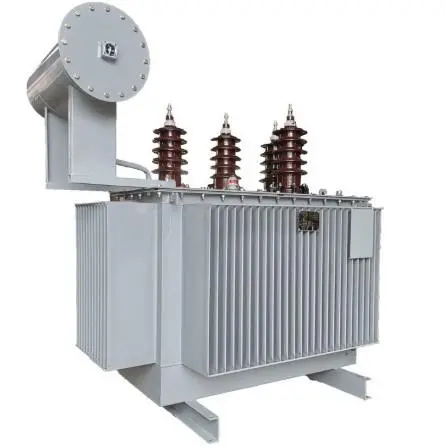
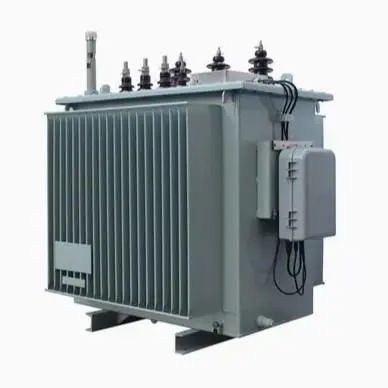
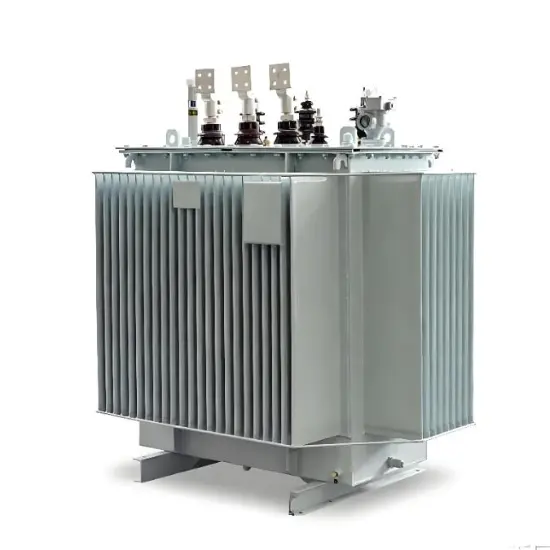
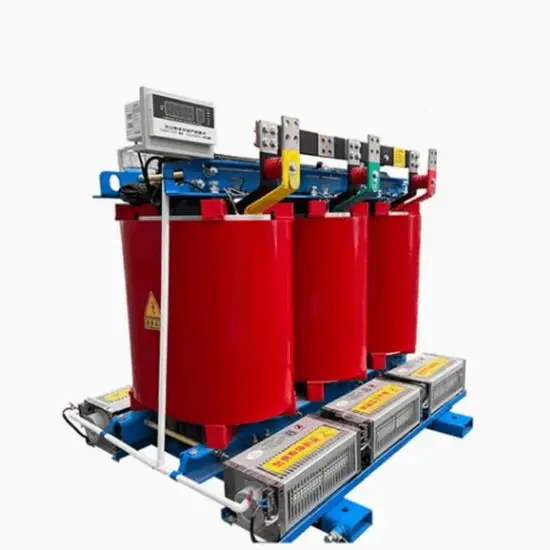
- Selection Principle: Prioritize IE4/IE5 high-efficiency energy-saving transformers (oil-immersed or dry-type) that meet the energy-saving evaluation values of IEC 60076 series; improve fire and explosion protection levels and protection grades (such as IP55/IP56) according to application scenarios;
- Application of Green Materials: Bio-based ester oil + aramid paper can be selected to balance long service life and recyclability, reducing the full-life cycle carbon footprint;
- Standard Intelligent Configuration: Built-in optical fiber/wireless sensing + edge computing module, which can be connected to the enterprise energy management system or regional digital platform.
3.3 Low-Cost Transition Guarantee Plan
- Centered on "minimizing interruption", provide full-process implementation guarantee to reduce the impact of shutdown on production and power supply:
- Phased Construction: First install monitoring and temporary cooling guarantee devices, then centrally arrange the main renovation window period (avoiding production peaks);
- Temporary Power Supply Guarantee: Deploy mobile box-type transformers or bypass power supply vehicles to ensure uninterrupted power supply for critical loads;
- Rapid Switching Technology: Adopt prefabricated connection and rapid hoisting schemes to compress the replacement time of a single unit to 4–8 hours;
- Parallel Operation: Use double-circuit or multi-section busbar for phased renovation to ensure the normal operation of non-renovation areas.
4.Upgrade Benefit Calculation
Taking the renovation of a typical 2 MVA aged transformer as an example, the comparison of core benefit indicators and return analysis are as follows:
|
Indicators |
Before Renovation |
After Renovation |
Change Range |
|
No-load Loss |
4.2 kW |
2.8 kW |
↓ 33% |
|
Load Loss (Full Load) |
18.5 kW |
12.2 kW |
↓ 34% |
|
Annual Power Consumption (Average Annual Load Rate 65%) |
≈108,000 kWh |
≈71,000 kWh |
Annual Power Saving ≈37,000 kWh |
|
Electricity Cost Savings (at ¥0.75/kWh) |
— |
— |
≈¥27,750/Year |
|
Safety Risk Incident Rate |
High (2–3 cases per year on average) |
Low (≤0.5 cases per year on average) |
↓ 80%+ |
|
Compliance Status |
Does not meet the energy efficiency limit values of IEC 60076 series |
Meets the energy-saving evaluation values of IEC 60076 series |
Compliant |
Investment Payback Period: The static payback period of a typical renovation project is 2.5–4 years (including energy-saving benefits and reduced maintenance costs).
5.Typical Case: Transformer Upgrade and Renovation Project in an Aged Industrial Park
5.1 Project Background
- The industrial park was built in the 1990s, equipped with a total of 8 10 kV aged oil-immersed transformers (capacity 1.6–2.5 MVA) with an average service life of 22 years;
- Core Problems: Excessive no-load/load losses, increased dielectric loss of insulating oil, frequent oil leakage, failing to meet the latest energy efficiency and environmental protection laws and regulations;
- Core Requirement: Minimize shutdown time and ensure continuous operation of the production line.
5.2 Implementation Plan
- Evaluation Phase: Complete the energy efficiency and safety evaluation of all 8 units, determining 3 units for direct replacement and 5 units for partial upgrading;
- Partial Upgrading: Replace cores and windings, install wireless temperature measurement and partial discharge monitoring modules, and optimize the cooling system for 5 units;
- Overall Replacement: Select IE5 high-efficiency oil-immersed transformers (equipped with bio-based ester oil) for 3 units, with intelligent monitoring and rapid switching interfaces;
- Transition Guarantee: Adopt the "mobile box-type transformer + phased power outage" plan, controlling the replacement time of a single unit within 6 hours.
5.3 Renovation Results
- Energy Consumption Optimization: The overall average no-load loss decreased by 32%, load loss decreased by 36%, annual power saving of about 260,000 kWh, equivalent to electricity cost savings of ≈¥195,000;
- Safety Improvement: Insulation-related failures reduced from 6 cases per year on average to 0, completely eliminating fire hazards;
- Compliance Achievement: All equipment meet the energy-saving evaluation values of IEC 60076 series and environmental protection requirements;
- Investment Return: The total project investment is ¥680,000, with a static payback period of about 3.5 years.
6.Conclusion
Through the combined strategy of "scientific evaluation + hierarchical renovation + low-cost transition + digital monitoring", this solution helps power grid companies, aged factories, and industrial parks efficiently achieve the dual goals of energy conservation and efficiency improvement, and safety and compliance of aged medium-voltage transformers under the premise of controlling costs and risks. The solution not only reduces long-term energy consumption and operation and maintenance expenses, but also eliminates major safety hazards. At the same time, it provides a replicable and promotable practical path for the green and low-carbon transformation of existing power assets, helping the implementation of "dual carbon" goals and the high-quality development of the power industry.