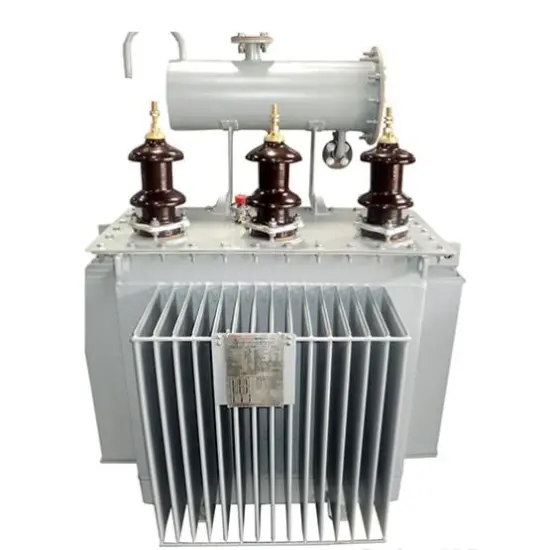
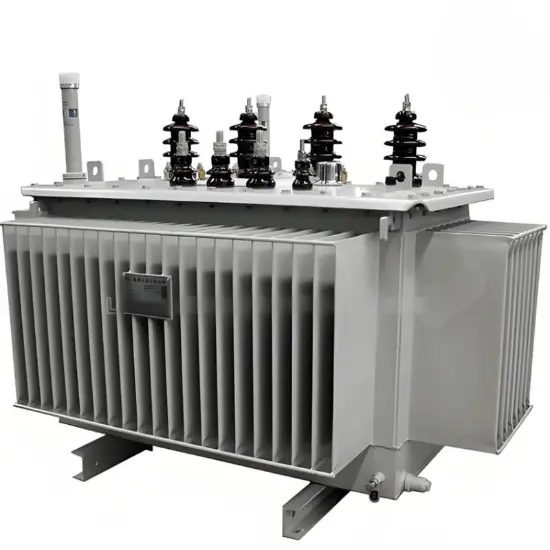
Tropical Grounding Transformer: Indonesia's Humidity Solution
1. Project Background
Indonesia's equatorial climate (humidity >80%, temperature 25-32°C) imposes extreme challenges on electrical infrastructure, especially Grounding Transformers used in distribution networks. Key risks include:
1.1 Biological Erosion
Mold: Degrades insulation in Grounding Transformer windings and bushings, increasing risk of ground faults. Insects: Termites and tropical ants infiltrate cooling vents ≥0.3mm in Grounding Transformer enclosures, causing short circuits or blocking cooling systems.
1.2 Infrastructure Demand
National electrification projects (e.g., Eastern Indonesia Grid Expansion) require ultra-reliable neutral grounding systems. Conventional Grounding Transformer installations in Sulawesi and Papua show 35% higher failure rates during rainy seasons, compromising grid stability and safety.
2. Solution
2.1 Material Innovation for Grounding Transformer
| Component | Material Solution | Protection Mechanism |
| Core & Windings | Vacuum pressure impregnated epoxy resin with nano-silica | Fungal-resistant formula prevents moisture absorption in Grounding Transformer insulation; thermal class H (180°C) |
| Enclosure | UV-stabilized polypropylene with antimicrobial additives | Sealed construction (IP54 rating) blocks biological ingress into Grounding Transformer housing |
| Cooling System | Hydrophobic filter media + stainless mesh | 0.15mm precision filtration prevents insect entry while maintaining Grounding Transformer thermal performance |
2.2 Structural Protection for Grounding Transformer
Humidity Management System:
Integrated desiccant chambers with color-changing indicators maintain dew point ≥10°C below ambient, preventing moisture accumulation in Grounding Transformer oil systems.
Service-Optimized Design:
Quick-access panels with tool-free latches enable rapid cleaning and inspection of Grounding Transformer components, reducing maintenance downtime by 65%.
2.3 Environmental Adaptation of Grounding Transformer
Coastal Installations:
Three-layer corrosion protection (zinc-rich primer + epoxy midcoat + polyurethane topcoat) extends Grounding Transformer service life in saline environments by 45%.
Thermal Resilience:
Thermally conductive encapsulation material with 0.8W/mK conductivity maintains winding temperature rise ≤35K at 45°C ambient, critical for Grounding Transformer reliability during peak loads.
2.4 Intelligent Grounding Transformer Monitoring
IoT-enabled neutral current sensors detect imbalances and harmonic distortion in real-time, with AI algorithms predicting insulation degradation trends. Automated alerts trigger preventive maintenance protocols before Grounding Transformer failure conditions develop, prioritizing remote island installations.
3. Achieved Results
3.1 Performance Enhancement
Moisture absorption ↓85%; insulation resistance maintained >5000 MΩ (vs. 800 MΩ in conventional Grounding Transformer). Short-circuit incidents ↓ from 3.7 to 0.15/year/unit during monsoon seasons.
3.2 Lifecycle Cost Optimization
| Indicator | Traditional Grounding Transformer | This Solution |
| Maintenance | 6 times/year (monsoon-focused) | 2 times/year (predictive) |
| Lifespan | 10-12 years | 20+ years |
| Energy Efficiency | 97.5% | 98.8% (reduced no-load losses) |
3.3 Local Industry Impact
Joint manufacturing facility established in Batam Free Trade Zone for Grounding Transformer production and testing.
Solution integrated into Indonesia's National Grid Code Amendment 2024 for tropical grounding equipment specifications.