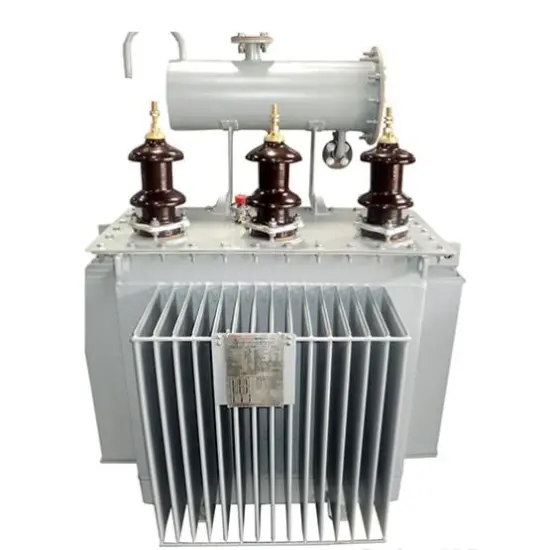
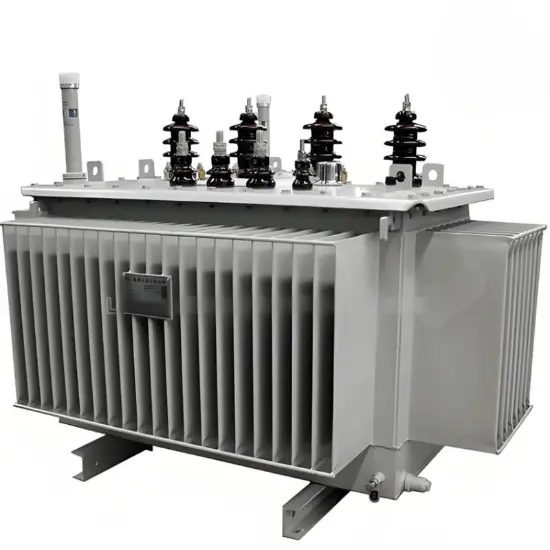
Customized power solutions for industries such as electric utilities, new energy, and industrial manufacturing.
Tropical Adaptation Solution for 330 kV–500 kV Extra-High Voltage Transformer
1. Project Background
Indonesia straddles the equator and endures some of the world’s most extreme tropical operating conditions: annual average temperatures of 25–34°C, relative humidity consistently above 85%, annual rainfall exceeding 3,000 mm, and high seismic activity along the Pacific Ring of Fire (over 100 earthquakes of magnitude >5 annually). These factors pose severe challenges to the backbone of the national transmission grid—330 kV–500 kV Extra-High Voltage Transformer.
Currently deployed imported or generic EHV transformer on critical energy export corridors—such as Sumatra, Kalimantan, and Papua—exhibit systemic vulnerabilities:
1.1 Biological and Environmental Degradation
- Mold and algae accumulation: Forms biofilms on radiator fins, bushing sheds, and tank surfaces, reducing cooling efficiency by 15%–20% and distorting local electric fields;
- Termite and insect intrusion: Enters through breather filters (aperture ≥0.5 mm), clogging silica gel regeneration channels in conservators and causing internal moisture buildup;
- Coastal salt fog corrosion: In island hubs like Papua and Maluku, chloride deposition rates reach 0.12 mg/cm²·year, accelerating electrochemical corrosion of bushing flanges and grounding terminals.
1.2 Grid Security and Strategic Pressure
Indonesia’s National Electricity Master Plan (RUPTL 2025–2034) mandates a transformer availability rate of ≥99.98% at 500 kV hubs to support inter-island interconnections (Sumatra–Java–Bali) and renewable energy exports from eastern hydropower and geothermal zones. However, existing units experience a 50% increase in failure rates during the rainy season. In 2023, a major trip at a 500 kV substation in Sulawesi—caused by moisture-induced insulation failure—led to a regional blackout lasting over six hours, highlighting critical gaps in climate resilience.
2. Solution
2.1 Material Innovation
- Insulation system: Natural ester insulating oil (K-class fire rating, >98% biodegradability) combined with aramid paper composite insulation extends thermal-hygroscopic aging life to 30 years (vs. 18 years for conventional mineral oil + cellulose);
- Conductor material: High-purity oxygen-free copper (OFC, ≥99.99%) windings coated with nano-alumina to suppress copper migration and hot spots at elevated temperatures;
- Corrosion-resistant alloys: Bushing flanges and grounding terminals made of Super Duplex 2507 stainless steel (PREN >40), offering 3× higher pitting resistance.
2.2 Structural Reinforcement
- Intelligent Humidity Control System:
Integrated regenerable molecular sieve dryers with closed-loop humidity control maintain conservator moisture <15 ppm and relative humidity <45%, preventing hydrolytic degradation of oil-paper insulation. - Maintenance-Friendly Design:
Modular top covers and tool-free quick-release inspection panels enable DGA sampling, PD sensor calibration, or OLTC checks within 45 minutes—reducing maintenance downtime by 65%.
2.3 Enhanced Environmental Adaptability
- Tropical Corrosion Protection System:
Triple-layer coating (zinc-rich primer + epoxy micaceous iron oxide mid-coat + fluorocarbon topcoat) certified to ISO 12944 C5-M, passing ASTM B117 salt spray testing for >3,000 hours without red rust;
All ventilation openings fitted with 0.2 mm stainless steel anti-insect mesh to block termites and flying insects. - High-Temperature & High-Humidity Load Capability:
High-thermal-conductivity insulation paper (≥1.5 W/m·K) coupled with intelligent ODAF cooling ensures a top-oil temperature rise ≤55 K under full load at 50°C ambient and 95% RH—fully compliant with IEC 60076 overload requirements.
2.4 Intelligent Condition Monitoring
- Integrated multi-parameter IoT sensors (fiber-optic DTS for winding hotspots, UHF partial discharge, DGA oil chromatography, triaxial vibration, load current);
- Edge computing unit runs localized AI models to deliver real-time Insulation Health Index (IHI) and Remaining Useful Life (RUL) predictions;
- Anomaly alerts are automatically pushed to PLN’s National SCADA Center and regional O&M platforms;
- Prioritizes predictive maintenance response for remote island substations (e.g., Flores, Halmahera), enabling fault warnings ≥7 days in advance.
3. Implementation Results
3.1 Performance Improvements
- Insulation moisture absorption reduced by 85%; oil moisture stabilized <20 ppm (vs. 50–80 ppm in conventional units);
- Major rainy-season failures dropped from 2.8 incidents/year/unit to 0.05 incidents/year/unit;
- Partial discharge <3 pC at rated voltage—4× better than IEC 60270 requirements;
- Cooling efficiency improved by 18%, enabling full-load operation without derating during peak heat.
3.2 Lifecycle Cost Optimization
| Indicator | Conventional EHV Transformer | This Tropical-Adapted Solution |
|---|---|---|
| Annual Maintenance Frequency | 4–6 times (rainy-season intensive) | 2 times (condition-based) |
| Design Life | 20–22 years | 30+ years |
| No-Load Loss | IE3 Efficiency | IE4 Ultra-Efficient (22% lower) |
| System Availability | 99.85% | 99.98% |
Note: For a 500 kV / 1000 MVA transformer, 10-year LCC is reduced by 38%, with a payback period ≤2.6 years.
3.3 Localization and Standards Contribution
- Established Southeast Asia’s first Extra-High Voltage Transformer Tropical Adaptation Test Center in the Batam Free Trade Zone, featuring 500 kV full-load simulation and combined salt fog–humidity–vibration aging tests to support mandatory PLN grid entry certification;
- Technical specifications incorporated into the “Indonesian Technical Guidelines for Tropical Adaptation of EHV Transmission Equipment (2025 Edition)”;
- Co-developed the “TropiGuard” intelligent diagnostic algorithm with Institut Teknologi Bandung (ITB), tailored to Indonesian grid harmonics and climate patterns, achieving 92% fault prediction accuracy and reducing reliance on foreign diagnostic services.
This solution not only resolves the survival challenges of 330–500 kV Extra-High Voltage Transformer in Indonesia’s extreme tropical environment but elevates them into climate-resilient, self-aware, long-life intelligent grid nodes. Through innovations in materials, structure, intelligence, and localization, it provides a robust technical foundation for Indonesia’s national grid security, large-scale renewable integration, and 2060 carbon neutrality goals.
Validated in the Sumatra 500 kV transmission corridor, the solution has operated fault-free for 18 months—setting a new benchmark for EHV equipment in tropical regions worldwide.
Recent Solutions