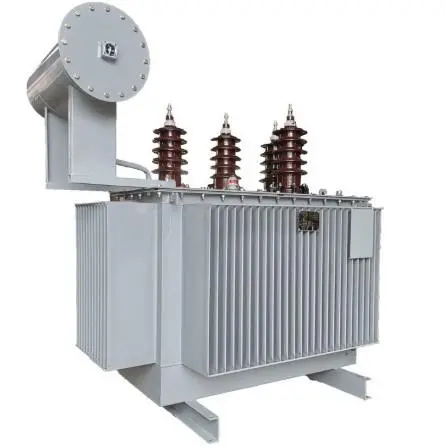
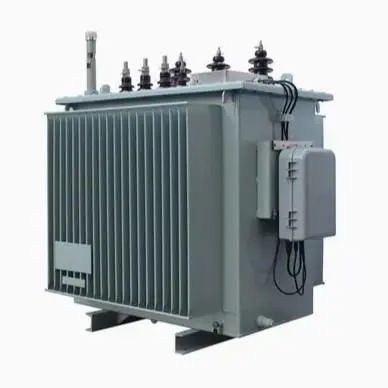
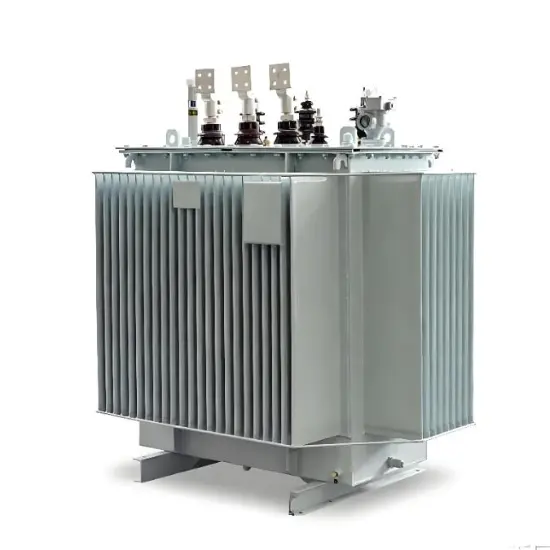
Customized power solutions for industries such as electric utilities, new energy, and industrial manufacturing.
Technical Solution of High-Efficiency, Low-Loss Grounding Transformers for Tropical Environments in Southeast Asia
Technical Solution of High-Efficiency, Low-Loss Grounding Transformers for Tropical Environments in Southeast Asia
— Applied in Representative Renewable Energy Projects in Vietnam, the Philippines, and Indonesia
— Applied in Representative Renewable Energy Projects in Vietnam, the Philippines, and Indonesia
1. Regional Challenges and Context
Southeast Asia is accelerating its energy transition, with a combined renewable energy capacity target exceeding 100 GW by 2025. However, the region faces unique challenges:
- Hot and humid climate: Average annual temperatures range from 28–35°C, with relative humidity frequently above 80%, accelerating insulation aging and causing condensation-induced discharges;
- Coastal and island geography: With over 7,641 islands in the Philippines and more than 17,000 in Indonesia, many renewable projects are located on islands or coastal zones, exposing equipment to severe salt spray corrosion;
- Weak grid infrastructure: Medium-voltage distribution networks often use ungrounded (IT) systems, lacking effective grounding paths. Single-phase-to-ground faults easily trigger overvoltages that damage inverters and pad-mounted transformers;
- Limited O&M capabilities: Remote islands lack skilled electricians, demanding highly reliable equipment with remote diagnostic features.
Representative cases include:
- The Trung Nam 150 MW hybrid solar-wind plant in Bình Thuận Province, Vietnam;
- The Burgos 150 MW wind farm in Ilocos Norte Province, northern Luzon, Philippines;
- A 50 MW rooftop solar + storage microgrid serving the Morowali Industrial Park on Sulawesi Island, Indonesia.
All experienced incidents such as IGBT module failures in inverters and insulation flashovers in collector lines due to inadequate grounding system design.
2. Customized Technical Solution
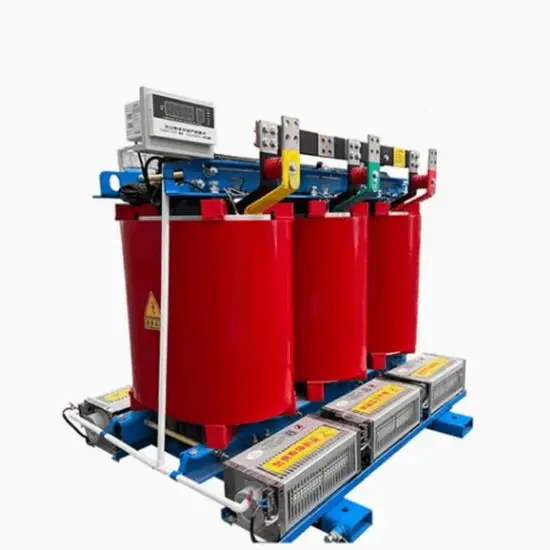
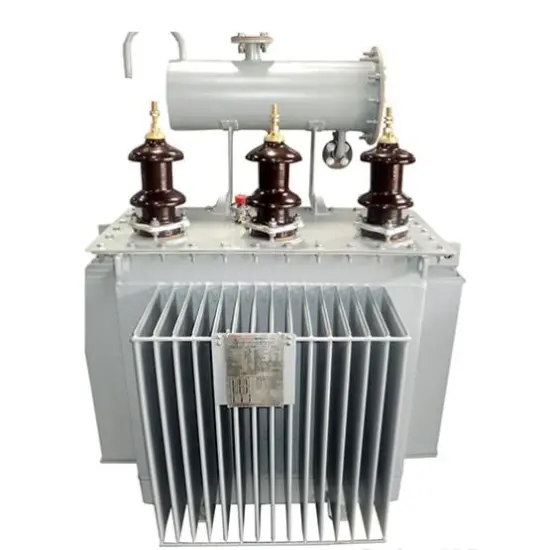
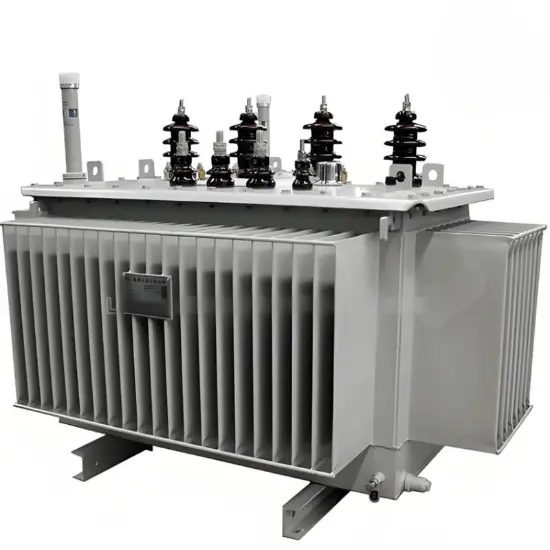
To address these pain points, we propose an “Intelligent Dry-Type Grounding Transformer Optimized for Tropical Conditions”, featuring the following core enhancements:
1) Weather-Resistant Structural Design
- Fully enclosed IP55-rated enclosure with 316L stainless steel fasteners, passing ISO 9227 salt spray testing for ≥1,000 hours;
- Integrated dual-mode temperature/humidity control: automatic anti-condensation heaters activate when humidity >70% and temperature <30°C; axial fans provide forced cooling under high-temperature conditions;
- Windings insulated with H-class (180°C) Nomex® aramid paper and vacuum-pressure impregnated with solvent-free resin, ensuring continuous full-load operation at ambient temperatures up to 45°C.
2) High-Efficiency, Low-Loss Materials
- Core made of Hitachi Metals AMT-20 amorphous alloy, reducing no-load losses by 65% compared to conventional silicon steel, while maintaining high permeability even under sustained high temperatures;
- Typical specifications (for a 380 V / 100 kVA grounding transformer):
- No-load loss: ≤0.18 kW
- Load loss (at 100% load): ≤1.05 kW
- Noise level: <55 dB (suitable for solar farms near residential areas)
3) Intelligent Monitoring & Remote O&M
- Integrated fiber Bragg grating (FBG) winding temperature sensors and zero-sequence current sensors, sampling at 10 Hz;
- Data transmitted via LoRaWAN or 4G Cat-M1 to local SCADA or cloud platforms (e.g., Siemens MindSphere or local developer systems);
- AI-driven early fault warning: e.g., intermittent harmonics (50–150 Hz) in zero-sequence current trigger alerts for “potential cable insulation degradation,” pushed directly to maintenance apps.
4) Modular Design for Rapid Deployment
- Unit weight kept under 800 kg, enabling transport by pickup truck and manual roller installation—compatible with small inter-island ferries in Indonesia;
- Pre-wired cabin version available: field installation requires only HV cable and communication connections, reducing setup time to under 2 hours.
3. Case Study: Trung Nam Group Solar Project, Vietnam
- Project Overview: Located in Bình Thuận Province, southern Vietnam; 150 MW total capacity (120 MW solar + 30 MW wind), commissioned in 2022, connected to a 22 kV distribution network.
- Initial Problem: Originally equipped with standard oil-immersed grounding transformers; within 6 months, three bushing flashovers occurred due to condensation, with inverter failure rates reaching 8%.
- Retrofit (Q2 2023):
- Replaced with three custom dry-type Zig-Zag grounding transformers (22 kV/400 V, 200 kVA);
- Installed remote monitoring terminals integrated into Trung Nam’s proprietary O&M platform.
- Results (as of end-2025):
- Grounding system availability increased to 99.98%;
- Annual inverter failures dropped from 12 units to just 1;
- Annual O&M costs reduced by approximately USD 42,000;
- Successfully passed the latest grid safety review by Vietnam Electricity (EVN).
4. Scalability and Localization Recommendations
- Local Manufacturing Potential: Collaborate with regional electrical equipment manufacturers (e.g., Siam Electric in Thailand, Tenaga in Malaysia) for assembly, reducing import tariffs;
- Policy Alignment: Meets ASEAN’s Master Plan on Connectivity 2025 requirement for “resilient energy infrastructure,” positioning it for inclusion in green technology subsidy programs;
- Financing Support: Eligible for targeted loans under the Asian Development Bank’s (ADB) Southeast Asia Clean Energy Financing Initiative for high-efficiency equipment.
Conclusion
This optimized solution transforms the grounding transformer from a passive protective component into an active health guardian tailored for tropical climates. It not only resolves critical grounding challenges in Southeast Asia’s renewable energy projects but also advances regional energy equity and low-carbon transition through intelligent design, lightweight deployment, and localization strategies. The model is readily scalable across ecologically similar regions—from the Mekong Basin to the Malay Archipelago—delivering safe, efficient, and sustainable power where it’s needed most.
Recent Solutions