Customized power solutions for industries such as electric utilities, new energy, and industrial manufacturing.
“Stable Power, Stable Production”: How C&I Energy Storage in Southeast Asia Is Shifting from Bill Savings to a Resilience Foundation
One Energy Storage System, One Factory’s Lifeline:How Commercial & Industrial (C&I) Energy Storage Is Evolving from “Saving on Electricity Bills” to “Securing Production, Mitigating Risk, and Building Resilience”
1. The Real Problem Isn’t Tariffs—It’s Power Interruptions: The Overlooked Vulnerability of Industrial Power in Southeast Asia
In an industrial park east of Bangkok, Thailand, an electronics assembly plant operating 24/7 produces components for global brands. Although industrial electricity rates in Thailand are relatively low, the company’s true pain point isn’t cost—it’s grid unreliability:
- Aging infrastructure managed by Thailand’s Electricity Generating Authority (EGAT) causes daily voltage fluctuations exceeding 5%, with 2–3 short-duration outages (<1 minute) per month on average;
- Frequent thunderstorms during the rainy season trigger voltage sags, leading to malfunctions in SMT pick-and-place machines and unexpected server reboots;
- Worse still, multiple factories share the same distribution transformer within the park, and large equipment cycling at neighboring facilities introduces harmonic distortion that disrupts sensitive instruments.
Many companies have turned to UPS systems or diesel generators—but UPS units offer limited runtime and high maintenance costs, while diesel generators start slowly, emit pollutants, and fail to meet Thailand’s “Green Factory Certification” requirements. Some have even deployed energy storage, but only for peak-shaving arbitrage—saving a few thousand baht on electricity bills while risking millions in losses from a single production halt.
The core issue? Treating energy storage as a financial tool rather than a production assurance infrastructure.
2. From “Saving Bills” to “Securing Production”: System-Level Integration for Enhanced Resilience
In a 500 kWh C&I energy storage retrofit at this electronics factory, we drove a pivotal shift: deeply integrating the storage system into the plant’s power architecture to make it an “invisible guardian.”
The solution centered on four locally tailored design principles:
- Millisecond-Level Seamless Support Against Voltage Sags
A grid-forming energy storage inverter was deployed. Upon detecting voltage dips below 85%, it autonomously establishes a stable voltage within 20 milliseconds, ensuring uninterrupted operation of SMT lines and cleanroom HVAC systems. During the 2024 rainy season, it successfully mitigated 17 grid disturbances—with zero production interruptions. - Precise Coordination Between Grounding and Protection Systems
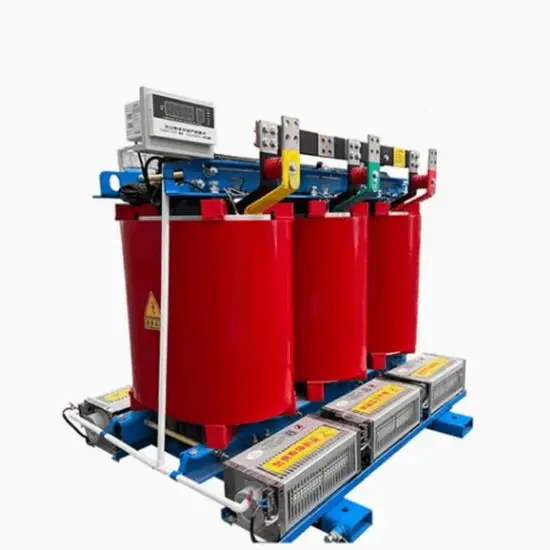
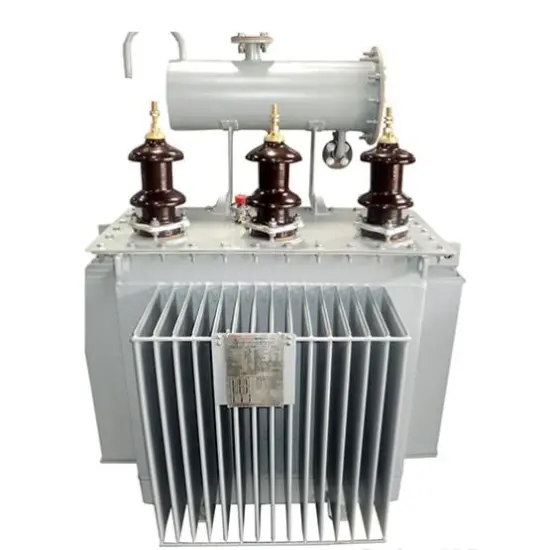
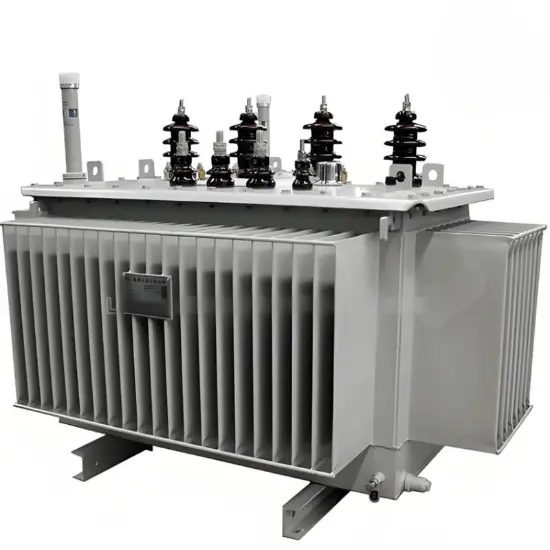
Thailand’s industrial power distribution typically uses TN-C-S earthing, where the neutral and protective earth separate at the service entrance. To ensure reliable islanding, a dry-type grounding transformer was installed to provide an independent neutral point for the storage system, preventing ground potential shifts from falsely tripping the main incomer breaker. - Intelligent Strategy Balancing Economics and Resilience
The Energy Management System (EMS) dynamically optimizes charge/discharge cycles based on Thailand’s three-tier time-of-use tariffs and production schedules. Crucially, it includes a “Power Quality Priority” mode: if total harmonic distortion exceeds 5% or voltage fluctuation surpasses 8%, the system automatically pauses arbitrage and switches to active filtering and voltage stabilization. - Localized Operations to Lower Adoption Barriers
The user interface supports Thai language, and alerts are delivered via LINE—the dominant messaging app in Thailand. Quarterly preventive maintenance is provided through partnerships with local electrical service providers, allowing in-house electricians to handle only routine inspections.
After one year of operation, results were compelling:
- Zero unplanned downtime due to power quality issues;
- Annual peak-shaving revenue of approximately 280,000 THB (~€6,000);
- More importantly, three potential major production stoppages were avoided, saving an estimated 3.5 million THB in losses;
- The project helped the factory earn Thailand’s Ministry of Industry “Green Smart Factory” certification, qualifying it for tax incentives.
3. Small System, Big Impact: From Energy Management to Enterprise Resilience Infrastructure
As Southeast Asia rapidly industrializes, power infrastructure upgrades often lag behind manufacturing growth. The value proposition of C&I energy storage is shifting from cost reduction to supply assurance—it’s no longer just a combination of batteries and inverters, but a strategic buffer against external uncertainty.
This model has already been replicated across food processing, textiles, and data centers in Thailand, Vietnam, and Malaysia:
- Cold-chain warehouses use storage to maintain uninterrupted refrigeration;
- Textile mills deploy it to suppress voltage flicker caused by loom startups/shutdowns;
- Data centers adopt it as a clean alternative to diesel generators.
Looking ahead, as ASEAN advances power interconnectivity and carbon border measures like the EU’s CBAM take effect, factories equipped with high power quality and green energy capabilities will gain significant export competitiveness. A well-designed, deeply integrated C&I energy storage system is the cornerstone of that future.
Ultimately, the goal of the energy transition isn’t just to help businesses “pay less for electricity”—it’s to empower them to deliver reliably, innovate continuously, and operate confidently—even in the face of a volatile grid. In an industrial park on the outskirts of Bangkok, a quiet energy storage system runs day and night, silently safeguarding product quality and the future of the enterprise it serves.
Recent Solutions