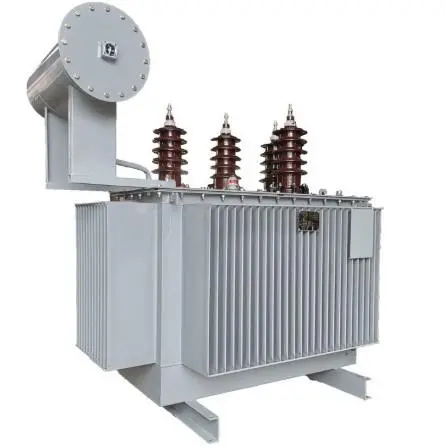
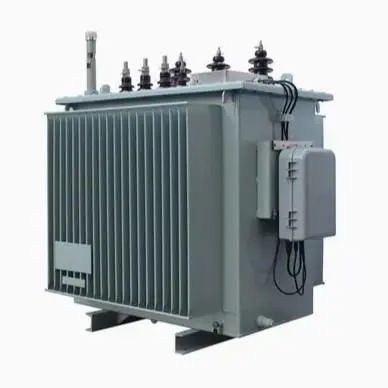
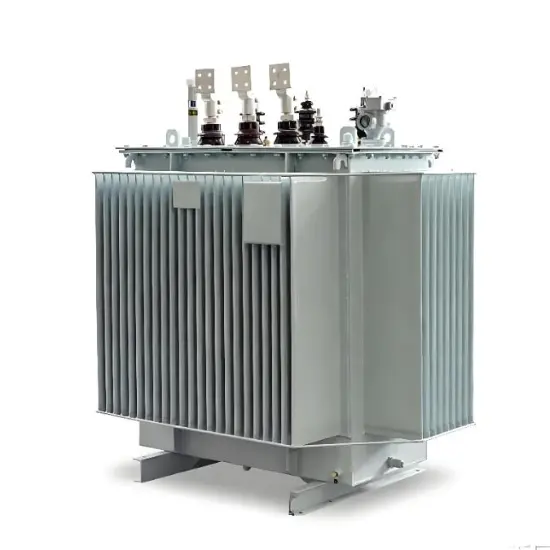
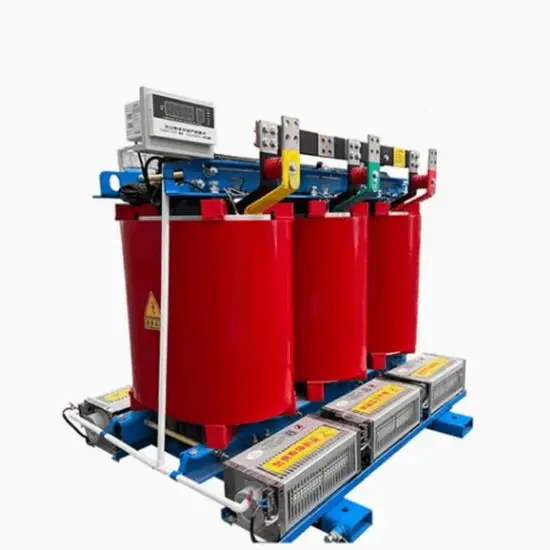
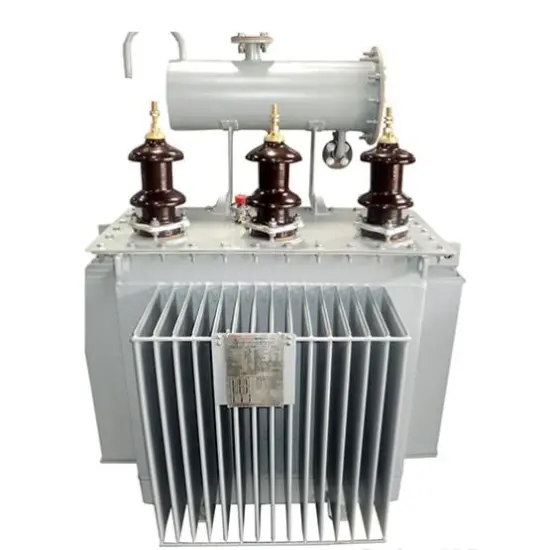
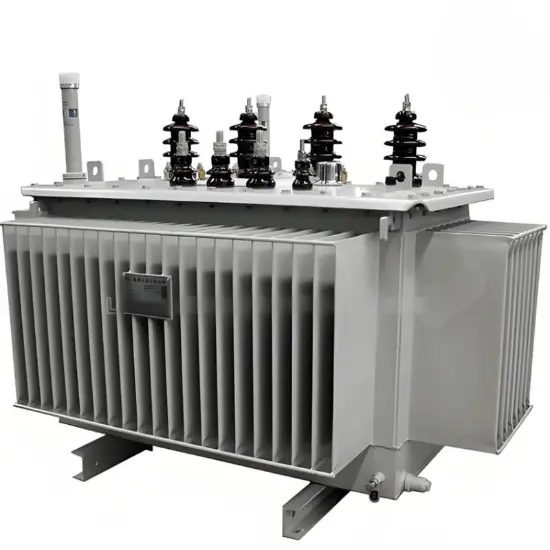
Special Solution for Explosion-Proof Industrial Earthing Transformers
A "Pyramid" Security Assurance System for Power Supply Safety in High-Risk Explosive Environments
1. Scenario-Driven: Explosion Risk Profile of High-Risk Environments
| Scenario Category | Primary Explosive Mediums | Typical Risk Characteristics | Special Requirements for Earthing Transformers |
|---|---|---|---|
| Petrochemical Industry | Hydrocarbon gases (methane, ethylene, propane) | Gas leakage ignition by electric arcs → explosion | Flameproof enclosure strength; internal spark isolation |
| Coal Chemical Industry | Methane, hydrogen, carbon monoxide | Restricted underground ventilation leading to explosive concentration accumulation | Explosion-proof rating Ex d I Mb; arc-proof sealing |
| Dust Explosion-Prone Sites | Aluminum powder, flour, coal dust | Dust cloud ignition by high-temperature surfaces → deflagration | Surface temperature ≤ 135℃ (T4); no dust accumulation dead corners |
2. Explosion-Proof Design "Pyramid" Model
2.1 Base Layer: Selection of Explosion-Proof Structural Types
- Flameproof Type (Exd): The enclosure can withstand internal explosion pressure without transmitting flames to the external environment, suitable for gas explosion hazard zones (Zone 1/Zone 2).
- Increased-Safety Type (Exe): No electric arcs, sparks, or dangerous high temperatures are generated under normal operation and start-up conditions, suitable for Zone 2 or dust explosion hazard zones (Zone 22).
- Composite Design: For areas with coexisting flammable explosive gases and dusts, the composite explosion-proof marking Exd + ExtD is adopted, complying with the IEC 60079 series standards.
2.2 Support Layer: Explosion-Proof Materials and Processes
- Enclosure Materials: Cast aluminum alloy or stainless steel (316L) is selected, with tensile strength ≥ 250 MPa, featuring corrosion resistance and impact resistance.
- Internal Insulating Components: High-temperature resistant and flame-retardant epoxy resin (CTI ≥ 600V) is used to prevent creepage breakdown.
- Explosion-Proof Joint Surfaces: Machining accuracy Ra ≤ 6.3 μm; gap and length are strictly calculated in accordance with IEC 60079-1 to ensure the safe release path of explosion pressure.
2.3 Suppression Layer: Spark and High-Temperature Suppression Technology
- Spark-Free Terminal Blocks: Copper-silver plated material with spring crimping to avoid mechanical friction sparks.
- Winding Flame-Retardant Design: Nomex® paper-covered wires with flame-retardant impregnating varnish are adopted, with local temperature rise controlled within T4 classification (surface temperature ≤ 135℃).
- Arc Isolation Chamber: High-potential components are placed in independent flameproof chambers, and arc leakage channels are blocked by isolation plates with voltage resistance ≥ 10kV.
2.4 Protection Layer: Sealing and Moisture-Proof Enhancement
- Multi-Layer Sealing Structure: Flange + rubber sealing ring + welded sealing, achieving protection rating ≥ IP66/IP67 (IEC 60529).
- Breathing Valve Drying System: Built-in molecular sieve breather to prevent moisture and explosive gases from entering the interior.
- Explosion-Proof Monitoring Devices: Sensors and acquisition modules are all housed in Ex d/IIC certified enclosures, with data transmitted through intrinsically safe circuits (compliant with IEC 60079-11).
3. Full-Link Safety Assurance System
Installation Environment Safety
- Hazardous area classification and equipment installation are carried out in accordance with IEC 60079-14.
- Maintain a safe distance between the earthing transformer and potential leakage sources, and install combustible gas detection linked with exhaust ventilation systems.
Operation Monitoring Safety
- Equipped with explosion-proof zero-sequence current transformers, online dissolved gas analysis (DGA) in oil, and optical fiber temperature measurement.
- Real-time data is transmitted to the control center via intrinsically safe edge gateways, with automatic alarms triggered for anomalies and power-off protection activated.
Emergency Response Safety
- Once excessive combustible gas concentration or internal temperature anomalies are detected, the system can cut off the transformer’s high-voltage side power supply within ≤ 1s.
- Linkage with the plant’s fire suppression and explosion suppression system to prevent accident escalation.
4. Key Performance and Certifications
- Explosion-Proof Rating: Ex d IIC T4 Gb / Ex tD A21 IP65 T135℃ (meeting dual explosion-proof requirements for gases and dusts)
- Surface Temperature: ≤ 135℃ (T4 classification)
- Protection Rating: IP66/IP67 (IEC 60529)
- Compliant Standards:
IEC 60079 (Basic and Equipment Standards for Explosion Protection)
IEC 60529 (Degrees of Protection Provided by Enclosures)
IEEE C57.12.00 (General Requirements for Transformers)
ISO 80079-36/37 (Non-metallic Material Tests for Equipment for Explosive Atmospheres)
5. Typical Application Results
11kV Earthing Transformer Project for an Offshore Oil Platform
- Environmental Characteristics: Marine high salt fog + natural gas leakage risk (Zone 1)
- Solution Highlights: Ex d IIC T4 flameproof enclosure + fully welded sealing + intrinsically safe online DGA monitoring
- Results:
Continuous operation for 4 years with no explosion safety incidents caused by equipment.
Response time for linked power-off upon excessive combustible gas concentration ≤ 0.8s.
Platform power supply reliability improved to 99.996%.
6. Value Summary
- Enhanced Intrinsic Safety: Fully block the formation path of explosion conditions from structure to materials, and from suppression to sealing.
- Strong Compliance: Meet international IEC 60079 series standards and regional regulations (ATEX, NEC 500).
- High Replicability: Modular explosion-proof design is adaptable to multiple high-risk scenarios including petrochemical, coal chemical, and dust explosion-prone sites.
- Maintenance-Friendly: Explosion-proof monitoring devices are designed to match the equipment service life, reducing the frequency and risk of manual inspections in high-risk environments.
Conclusion