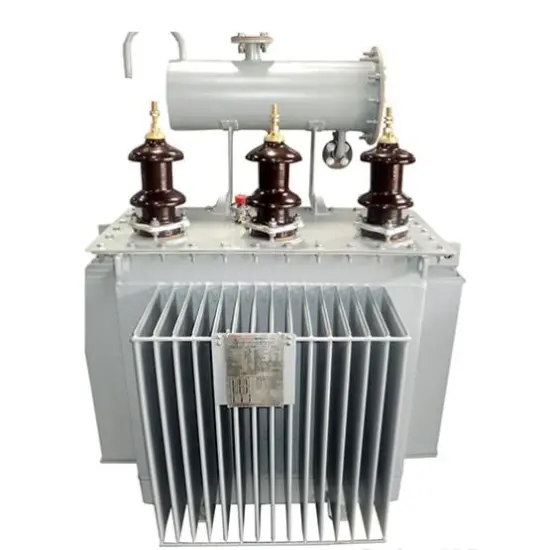
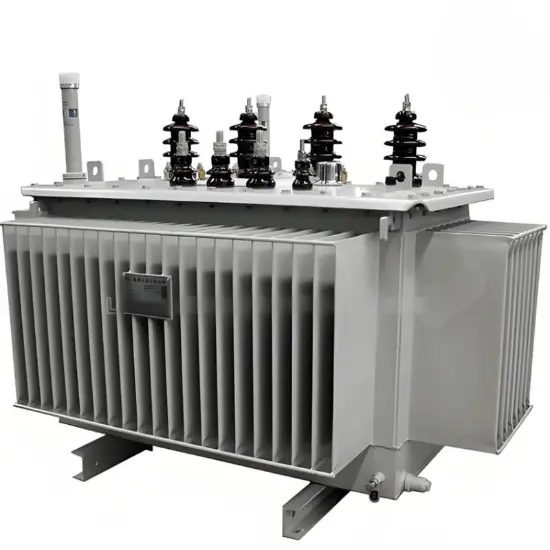
PV Plant Grounding Transformer Solutions: Stability & Protection
1.Core Challenges of Grounding Transformers in Renewable Energy Systems
1.1 Neutral Point Absence and System Instability
Photovoltaic power stations and wind farms with power electronic interfaces typically lack system neutral points, leading to decreased stability during asymmetric faults and difficulty in fault identification by protection devices. Grounding transformers establish artificial neutral points, functioning like a "stabilizer" for the entire system and significantly enhancing fault ride-through capability.
1.2 Overvoltage and Insulation Risks
Switching operations and intermittent power output in renewable energy systems can trigger operational overvoltages and single-phase ground faults, potentially elevating sound-phase voltages to dangerous levels. Grounding transformers must effectively limit overvoltage magnitude, typically requiring control within 2.6 times the system rated voltage to ensure equipment insulation safety.
1.3 Insufficient Protection Selectivity and Sensitivity
Without effective grounding paths, relay protection devices struggle to detect high-impedance ground faults, creating protection blind spots. Grounding transformers must provide reliable zero-sequence current paths, enabling protection systems to accurately identify and isolate faults within hundreds of milliseconds, reducing system downtime by over 35%.
2. Technical Adaptation Solutions for Grounding Transformers
2.1 High-Compatibility Neutral Point Design
Impedance Optimization: For photovoltaic power stations, short-circuit impedance is precisely controlled within the 4%-8% range, balancing fault current limitation and normal operation losses.
Multi-Mode Grounding: Three grounding modes—High Resistance Grounding (HRG), Low Resistance Grounding (LRG), and Petersen Coil Grounding—are provided to accommodate different grid code requirements.
Enhanced Insulation Rating: In high-humidity, high-altitude, or polluted environments, insulation class is upgraded to Class F or H, ensuring reliable operation under extreme conditions from -30°C to +40°C.
2.2 Integrated Protection Functions
Multi-Protection Configuration: Integrated zero-sequence overcurrent protection (0.1-0.3× rated current), overvoltage protection (1.2-1.3× phase voltage), differential protection (2-3× rated current), and temperature monitoring provide comprehensive protection coverage.
Smart Protection Settings: Pre-set and auto-adjusting protection parameters optimize thresholds automatically based on photovoltaic plant scale, with targeted configurations for small stations (10kV/500kVA) and large stations (35kV/2500kVA).
Rapid Fault Isolation: Optimized protection operating time settings (0.3-0.8 seconds) are 40% faster than traditional solutions, significantly reducing thermal stress damage to equipment.
2.3 Structural Reliability and Environmental Adaptability
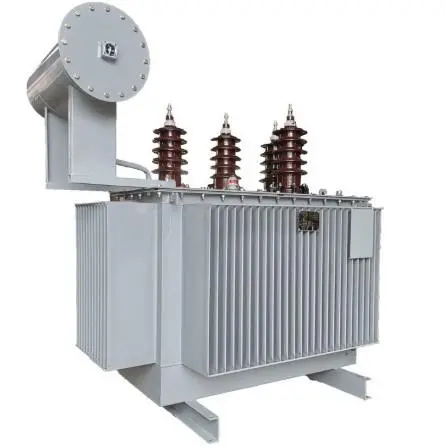
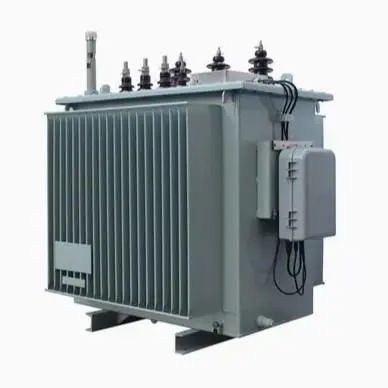
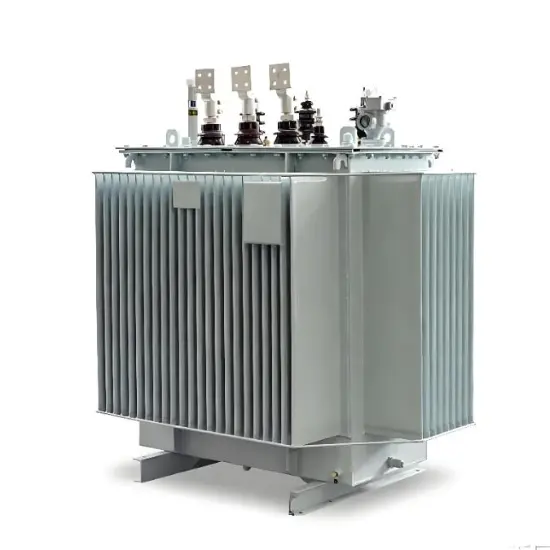
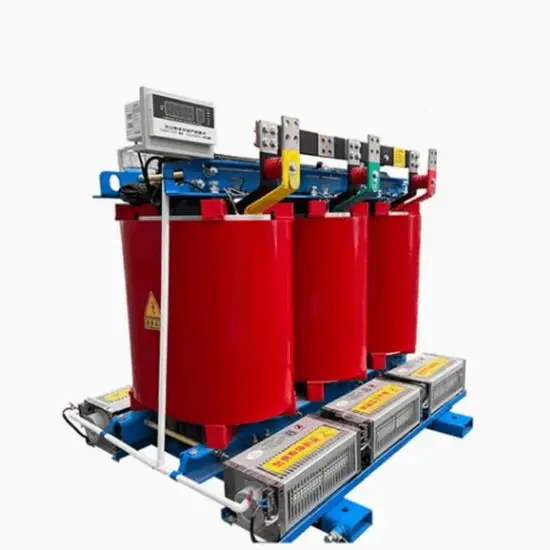
Customized Cooling Solutions: Dry-type air cooling suits small photovoltaic stations under 1000kVA; oil-immersed self-cooling serves large facilities above 1000kVA, with temperature rise controlled within 65K.
Enhanced Protection Rating: IP54 protection enclosures use hot-dip galvanized steel or aluminum alloy materials, withstanding salt spray corrosion for over 1000 hours, adapting to coastal and desert photovoltaic environments.
Buchholz Protection System: Oil-immersed grounding transformers are equipped with dual-level Buchholz relays; light gas (25-35mm oil level drop) provides early warning, while heavy gas (0.6-1m/s flow velocity) enables rapid tripping, ensuring safe handling of internal faults.
3. Integrated System Solutions: Grounding + Monitoring + Control
3.1 Protection-Monitoring Collaborative System
Grounding transformers integrated with intelligent monitoring units not only limit fault currents to the safe range of 200-500A during single-phase ground faults but also enhance fault location accuracy to 95% through IEC 61850 communication protocols, reducing repair response time by 60%.
Example: In a 150MW desert photovoltaic power station, 35kV/1600kVA grounding transformers work with online monitoring systems, reducing unplanned downtime by 150 hours annually.
3.2 Smart Grounding Management System
AI-based grounding status assessment algorithms analyze zero-sequence voltage/current waveforms in real-time, dynamically adjusting grounding resistance values to reduce system ground fault rates by 42%.
✓ Digital twin technology predicts insulation aging trends, reducing maintenance costs by 25%
✓ Deep integration with SCADA systems provides "one-click" grounding status diagnostics, improving operational efficiency by 30%
3.3 Power Quality Collaborative Optimization
Grounding transformers working with Active Power Filters (APF) feature K-factor design (K-13~K-20) to effectively suppress 13-25th harmonics generated by inverters, controlling Total Harmonic Distortion (THD) below 3%, extending photovoltaic inverter lifespan by 20%.
4. Case Study: Qinghai Tala Beach Photovoltaic Base Grounding System Upgrade
Configuration: The 2.2GW photovoltaic base deployed 126 units of 35kV/2000kVA grounding transformers, establishing a comprehensive neutral grounding network with fault currents limited to 350A±10%.
Technical Innovation: Dry-type grounding transformers adopted three-dimensional wound core structures, reducing no-load losses by 25%; intelligent monitoring systems enable automatic grounding resistance adjustment, adapting to the harsh environmental conditions of the Qinghai-Tibet Plateau with significant day-night temperature differences (-35°C to +30°C).
Comprehensive Benefits: System availability increased from 96.3% to 99.1%, reducing annual fault losses by 12 million yuan; ground fault location time shortened from 45 minutes to 5 minutes, decreasing maintenance personnel workload by 70%.
5. Technical Parameters Comparison (Typical Grounding Transformer Products)
| Parameter | Small PV Station (≤1MW) | Medium PV Station (1-50MW) | Large PV Station (>50MW) |
| Capacity | 100-500kVA | 500-1600kVA | 1600-5000kVA |
| Voltage Level | 10kV/0.4kV | 35kV/10kV | 35kV/35kV |
| Short-circuit Impedance | 4-6% | 5-7% | 6-8% |
| Cooling Method | Dry-type air cooling | Oil-immersed self-cooling/dry-type | Oil-immersed self-cooling |
| Protection Configuration | Basic protection (3 items) | Standard protection (5 items) | Comprehensive protection (8+ items) |
| Intelligent Functions | Local monitoring | Remote monitoring | AI optimization + predictive maintenance |
6. Conclusion: Strategic Value of Grounding Transformers in Energy Transition
Grounding transformers deliver three core values—enhanced system stability, improved protection sensitivity, and intelligent operation support—making them critical protection equipment for power grids with high renewable energy penetration. Future development directions include:
Adaptive Grounding Technology: Automatic switching between grounding modes based on grid operating conditions to enhance system resilience.
Deep Digital Twin Integration: Predictive fault risk modeling through real-time data to achieve 90% accuracy in preventive maintenance.
Multi-Functional Integration Platform: Collaboration with energy storage, SVG and other devices to evolve into integrated energy hub nodes combining grounding, protection, and regulation functions, supporting the safe and efficient operation of new power systems.