Full-Lifecycle Low-Carbon Solution for High-Voltage Transformers
Full-Lifecycle Low-Carbon Solution for High-Voltage Transformers-A Green Design and Operation System for Sustainable Energy Transition-
1. Background and Challenges: Low-Carbon Demands of High-Voltage Power Grids in Southeast Asia
1.1 Policy and Market Drivers
- Carbon Neutrality Targets: Multiple ASEAN countries (e.g., Thailand, Vietnam, Indonesia) have committed to achieving net-zero emissions by 2050–2060, with power grid equipment energy efficiency and carbon footprint incorporated into procurement evaluation criteria.
- Green Tendering Requirements: Public projects mandate that equipment comply with ISO 14067 carbon footprint certification and IEC 60076-20 low-carbon design guidelines, while prioritizing the selection of recyclable materials.
- Corporate ESG Pressures: Large power companies and industrial users have listed the full-lifecycle carbon emissions of transformers as a key supplier assessment indicator.
1.2 Pain Points of Lifecycle Carbon Emissions
| Stage | Main Carbon Emission Sources | Key Challenges |
|---|---|---|
| Raw Material Acquisition | High-energy-consumption production of silicon steel, copper, and insulating oil (≈1.8t CO₂ per ton of steel; ≈3.9t CO₂ per ton of copper) | High carbon intensity in rare metal mining and smelting; insufficient supply chain transparency |
| Manufacturing & Processing | High-energy-consumption processes including casting, winding, vacuum impregnation, and drying | Fossil-fuel-dominated power structure in parts of Southeast Asia leads to high manufacturing carbon emissions |
| Transportation & Logistics | Long-distance sea/land transportation (especially imports from China/Europe) | Maritime fuel emissions plus multiple transshipments increase carbon footprint |
| Operation & Utilization | No-load losses (accounting for 60%–80% of lifecycle carbon emissions) and load losses | High temperature and humidity conditions elevate energy losses; traditional designs feature low energy efficiency |
| Decommissioning & Recycling | Improper waste oil disposal, difficult disassembly of iron cores/windings, and mixed material usage | Lack of standardized recycling systems; low metal recovery rate (<70%) |
2. Full-Lifecycle Low-Carbon Technology Pathway
2.1 Design Phase – Low-Carbon Source Optimization
- Iron Core: Prioritize the adoption of amorphous alloy (reduces no-load loss by 70%) or Hi-B silicon steel (cuts carbon emissions by 30% compared to conventional silicon steel) to lower operational carbon footprint.
- Conductors: Use high-conductivity OFC (Oxygen-Free Copper) to reduce load losses, with recycled copper content ≥30% (certified by third-party institutions).
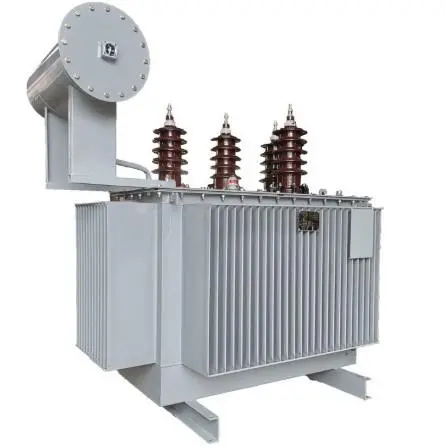
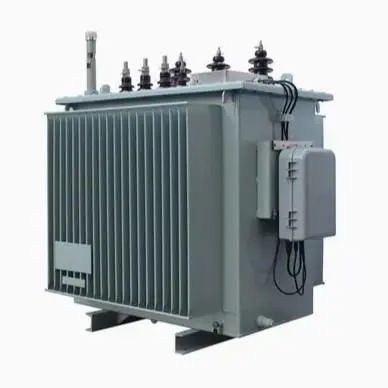
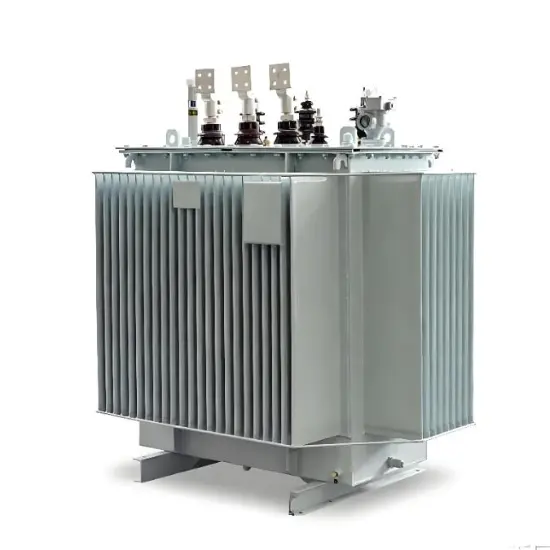
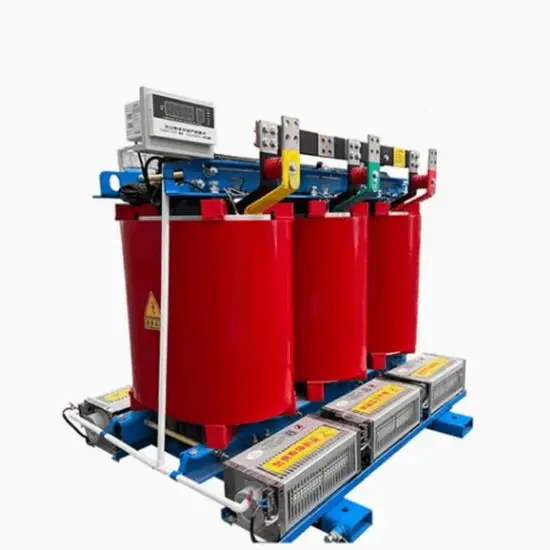
- Insulation: For dry-type transformers, adopt halogen-free flame-retardant epoxy resin (recyclable); for oil-immersed transformers, use biodegradable ester insulating oil (reduces carbon footprint by 50% compared to mineral oil).
- Design in accordance with IE4/IE5 energy efficiency classes to reduce operational power consumption; strengthen heat dissipation and anti-corrosion performance (e.g., 304 stainless steel casing + double-layer coating) to extend service life to ≥35 years, thus amortizing annual carbon emissions.
- Modular and easy-to-disassemble design: standardized interfaces, detachable bushings, and split-type oil tanks facilitate classified material recycling after decommissioning (target metal recovery rate ≥90%).
2.2 Manufacturing Phase – Green Production and Energy Substitution
- Clean Energy Manufacturing: Establish local factories in Southeast Asia powered directly by regional photovoltaic/wind energy (e.g., Thailand Eastern PV Park), ensuring that the proportion of green electricity in the manufacturing process reaches ≥60%.
- Process Optimization for Energy Reduction: Adopt low-temperature curing technology for vacuum epoxy casting (cuts energy consumption by 20%); implement automated iron core shearing and stacking to reduce scrap rate (silicon steel scrap recycling rate ≥95%).
- Carbon Footprint Tracking: Introduce an LCA (Life Cycle Assessment) digital platform to real-time record carbon emissions from raw materials, energy consumption, and auxiliary materials, generating product carbon labels compliant with ISO 14067.
2.3 Transportation Phase – Low-Carbon Logistics and Localized Layout
- For short-distance delivery, use electric trucks.
- For long-distance maritime shipping, deploy LNG-powered vessels or ships equipped with carbon capture systems, reducing carbon emissions per unit cargo by 25%.
- Packaging optimization: Replace disposable wooden crates with reusable steel frames to cut solid waste and transportation weight.
2.4 Operation Phase – Maximizing Energy Efficiency and Intelligent Carbon Reduction
- Ultra-Low Loss Operation: Amorphous alloy combined with IE4 design reduces no-load loss by 70% compared to traditional products, cutting CO₂ emissions by hundreds of tons over a 30-year service life (depending on load factor).
- Intelligent Load Management: RTU/DTU (Remote Terminal Unit/Data Terminal Unit) monitors load factor in real time; combined with grid peak-valley dispatching, it avoids long-term low-load and low-efficiency operation; harmonic control and power factor correction reduce additional carbon emissions from grid losses.
- Predictive Maintenance for Service Life Extension: Cloud-based AI platform analyzes oil chromatography, vibration, and temperature data to provide early warnings of potential faults, avoiding implicit carbon emissions caused by unplanned downtime and equipment replacement.
2.5 Decommissioning & Recycling Phase – Circular Economy Closed Loop
- Green Dismantling Process: Professional recycling centers separate iron cores (scrap steel), windings (copper/aluminum), and insulating oil (biodegradable ester oil can be reused or safely degraded) by material type.
- High-Value Recycling Technology: Achieve copper recovery rate ≥98% and silicon steel re-melting reuse (reducing smelting carbon emissions by 40%); purified and regenerated biodegradable ester insulating oil can be reused in low-demand equipment.
- Carbon Offset and Certification: Offset unavoidable carbon emissions through VCS/GS certified carbon offset projects (e.g., investing in Southeast Asian mangrove restoration); issue EPD (Environmental Product Declaration) and zero-waste certification to enhance customer ESG ratings.
3. Environmental and Economic Indicators (Examples)
| Indicator | Traditional Solution | Low-Carbon Solution (Target) | Emission Reduction Effect |
|---|---|---|---|
| Product Carbon Footprint (kgCO₂e/unit·25 years) | ≈120,000 (50MVA oil-immersed transformer) | ≤65,000 | ↓45% |
| No-Load Loss (kW) | 12 | ≤3.6 (amorphous alloy IE4) | ↓70% |
| Material Recovery Rate | 60%–70% | ≥90% | ↑20%–30% |
| Proportion of Green Electricity in Manufacturing | <20% | ≥60% | ↓50% carbon emissions in manufacturing phase |
| Service Life Cycle | 25 years | ≥35 years | ↓30% annual carbon emissions |
4. Implementation Path and Guarantee System
4.1 Phased Promotion
- Pilot Phase (1–2 years): Select projects in the Philippines/Vietnam to complete LCA accounting and low-carbon product certification.
- Promotion Phase (3–5 years): Achieve full green electricity coverage in local factories and establish regional recycling alliances.
- Maturity Phase (5+ years): Ensure all product lines meet carbon footprint disclosure requirements and build a closed-loop brand integrating "design-manufacturing-recycling".
4.2 Technical and Organizational Guarantees
- Cross-Departmental LCA Team: Bring together R&D, procurement, production, logistics, and after-sales departments to unify carbon data standards.
- Digital Platform: Integrate ERP and LCA systems to realize full-chain carbon tracking from order placement to recycling.
- Partner Ecosystem: Collaborate with universities (material recycling research), NGOs (carbon offset projects), and certification bodies (EPD/IEC) to co-establish industry standards.
4.3 Policy and Customer Collaboration
- Cooperate with governments to apply for green manufacturing subsidies and carbon tax reductions.
- Provide customers with carbon emission reduction benefit calculation reports (e.g., tons of CO₂ saved over 30 years × carbon trading price) to enhance procurement willingness.
5. Conclusion
- Reduce product carbon footprint by over 40%
- Increase material recovery rate to 90%+
- Extend service life cycle to 35 years
- Meet international green certification and ESG requirements