Customized power solutions for industries such as electric utilities, new energy, and industrial manufacturing.
From Power Generation to Peace of Mind: How Grounding Transformers Enhance Resilience and Build Trust in African Off-Grid Microgrids
One Small Transformer, One Village’s Light:
How Grounding Systems Enable African Off-Grid Solar Microgrids to Be Truly “Usable, Reliable, and Durable”
How Grounding Systems Enable African Off-Grid Solar Microgrids to Be Truly “Usable, Reliable, and Durable”
1. The Problem Isn’t Generation—It’s Grounding: The Overlooked Weakness in Off-Grid Power Supply
In many villages in western Kenya, a 50 kW solar microgrid is sufficient to light hundreds of homes, power water pumps, enable phone charging, and support small businesses. Yet, numerous projects fall into crisis within six months of operation: villagers complain, “My new TV broke after three days,” or “The power keeps cutting out at night,” while operations teams scramble without identifying the root cause.
The issue rarely lies with solar panels or batteries—but with a long-neglected component: the absence of a proper grounding system.
To cut costs, most African off-grid projects adopt the simplest possible design: a three-phase, three-wire configuration (no neutral, ungrounded). While theoretically functional under ideal conditions, reality is far from ideal:
- Severe load imbalance: Water pumps run en masse during the day; lighting dominates at night—causing wild voltage swings.
- Moisture-induced faults: During rainy seasons, cable insulation degrades, causing ground leakage currents to surge and trigger inverter shutdowns.
- Deadly safety risks: If metal-cased appliances (e.g., refrigerators, pump motors) develop a fault, the lack of an effective grounding path leaves them energized for days—posing serious electrocution hazards.
The result? Electricity is generated—but it’s unstable, unsafe, and short-lived. User trust erodes, repayment rates drop, and project sustainability falters.
2. From “Power Available” to “Power Done Right”: System Resilience Through Grounding Transformers
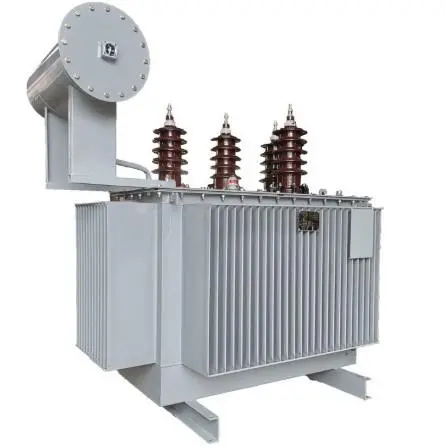
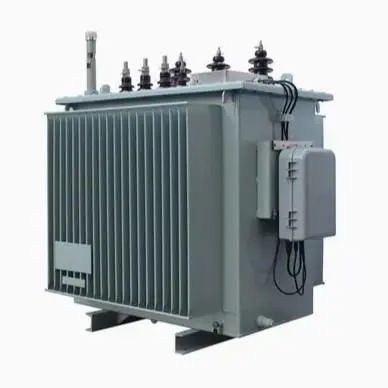
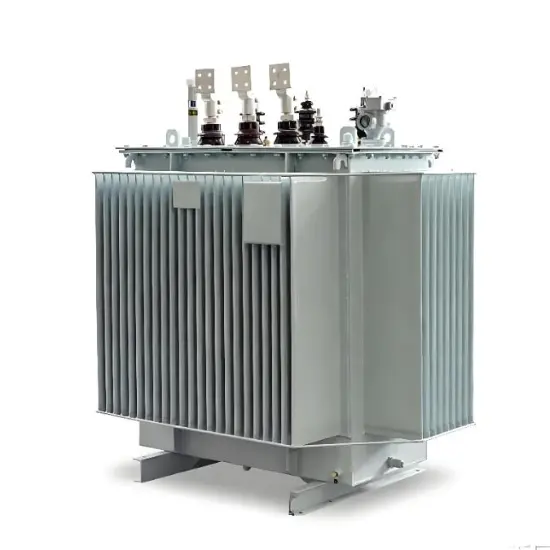
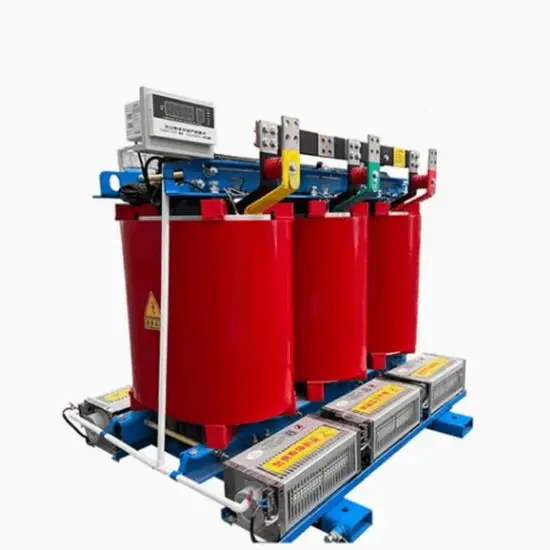
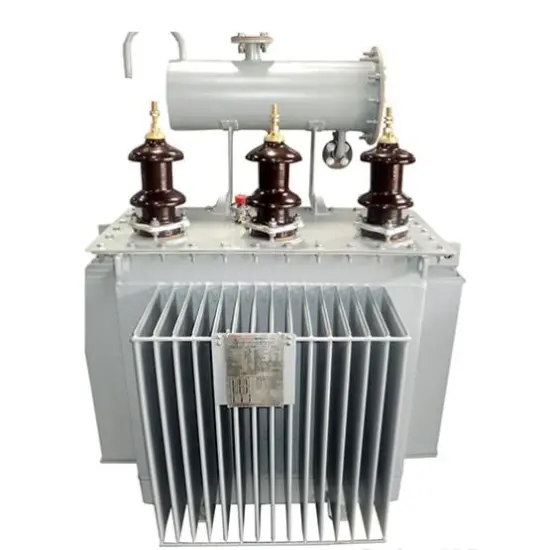
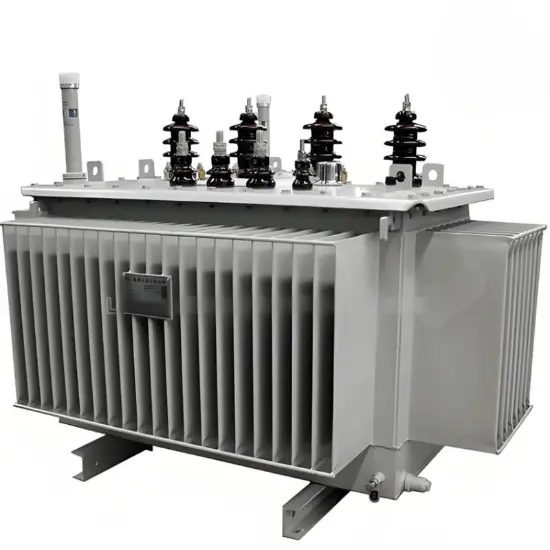
In the “Solar Village” project in Kisii County, Kenya, we implemented a seemingly small but transformative change: installing a 20 kVA dry-type grounding transformer on the AC busbar, paired with a simple grounding resistor. This single upgrade delivered three critical improvements:
- Stable Voltage, Longer-Lasting Appliances
The grounding transformer provides a stable neutral point, keeping single-phase voltage consistently within the safe 220–240 V range. Villagers can now safely use rice cookers, sewing machines, and other productive-use appliances without constant damage from voltage drift. - Fewer Outages, Greater Livelihood Security
With a well-defined ground reference, inverters no longer falsely trip due to “phantom” leakage. Nighttime power reliability has dramatically improved—clinic refrigerators now reliably store vaccines, and children can study under steady light. - Safer Electricity, Peace of Mind for Families
All distribution boards are connected to a unified grounding network, paired with low-cost residual current devices (RCDs). In the event of a fault, power cuts off within 0.1 seconds. After one year of operation, the project has recorded zero electrocution incidents.
Critically, the system was designed specifically for African realities:
- No complex commissioning—local technicians can install it after just half a day of training;
- Dust- and moisture-resistant enclosure, built for red-soil dust and high-humidity rainy seasons;
- Adds only ~2% to total system cost, yet avoids costly equipment replacements and user attrition.
3. Small Device, Profound Impact: From Technical Fix to Inclusive Energy Paradigm
The “Kisii Solar Village” experience proves that true inclusivity in off-grid energy isn’t just about whether electricity is available—but whether it is safe, reliable, and usable. Though small, the grounding transformer serves as a vital bridge between engineering systems and human needs.
This model’s value extends far beyond a single village:
- It has been recognized by the World Bank’s Lighting Africa program as a best practice for off-grid safety;
- It helped secure green impact bond financing, thanks to significantly improved user satisfaction and asset longevity;
- It includes a future-ready interface for seamless integration into Kenya’s national grid, avoiding costly retrofits.
Looking ahead, as Africa’s off-grid sector shifts from rapid deployment to high-quality operation, “invisible infrastructure” like grounding transformers will become increasingly essential. It reminds us that the ultimate goal of the energy transition is not kilowatt-hours—but human well-being. Only by embedding safety, stability, and simplicity into every detail can sunlight truly illuminate every corner—and warmly sustain every life.
Recent Solutions