Customized Design Solution for High-Voltage Power Transformers Targeting Complex Grid Environments in Southeast Asia
Customized Design Solution for High-Voltage Power Transformers Targeting Complex Grid Environments in Southeast Asia
1. Core Challenges of High-Voltage Power Grid Environments in Southeast Asia
1.1 Diversified Voltage Classes and System Complexity
- Diversified Input Voltages: Common medium-voltage classes include 6.6kV/11kV/22kV; some regions such as Indonesia adopt 20kV. Common high-voltage side ratings are 110kV/220kV/500kV.
- Significant Differences in Grid Structures: Urban areas mostly adopt ring network power supply, while rural and mining areas feature radial weak grids with frequent voltage fluctuations.
- Inconsistent Electrical Standards Across Countries: For instance, the frequency of Thailand's main grid is stably maintained at 50Hz, while short-term frequency drift occurs in some regions of Vietnam.
1.2 Harsh Climates and Unstable Grid Quality
- High-Temperature and High-Humidity Environments: Annual average temperature exceeds 30°C, humidity often surpasses 85%, and coastal areas suffer from severe salt fog, accelerating insulation aging and metal corrosion.
- Frequent Grid Disturbances: High short-circuit capacity (>40kA), prominent lightning strikes and voltage sags impose stringent requirements on transformers' short-circuit withstand capacity and transient response performance.
1.3 Dual Pressures of Energy Efficiency and Economy
- High Industrial Electricity Prices: (e.g., industrial electricity price in Malaysia is approximately $0.18/kWh). Controlling no-load and load losses becomes the key to reducing operational costs.
- Limited Operation and Maintenance Resources: Transformers are required to have long-cycle maintenance-free performance or remote diagnosis capability to reduce the frequency of on-site inspections.
2. Technical Solutions for High-Voltage Power Transformers
2.1 Customized Voltage Class and Winding Design
- Adopt high-conductivity oxygen-free copper (OFC) windings to reduce load losses.
- Apply segmented layer winding + shielding structure for high-voltage windings to enhance impulse voltage resistance.
- Select high-quality cold-rolled silicon steel sheets or amorphous alloy cores to achieve low no-load losses (IE3~IE4 efficiency classes).
2.2 Material and Structural Reinforcement Design
| Components | Technical Solutions | Benefits |
|---|---|---|
| Iron Core | Amorphous alloy or high magnetic permeability grain-oriented silicon steel (Hi-B) + wound core structure | Reduce no-load losses by ≥60% and meet IE4 ultra-high efficiency class |
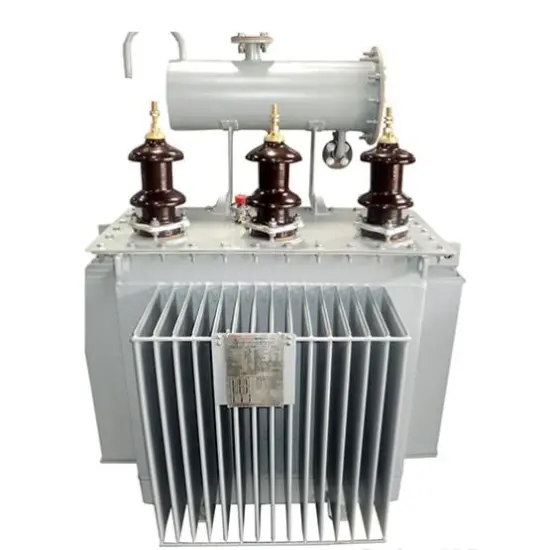
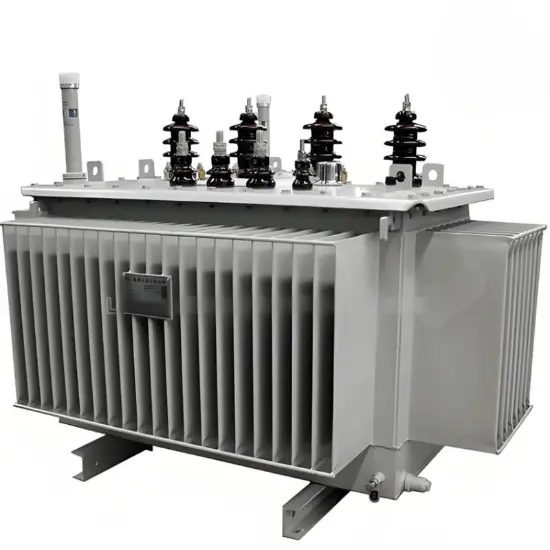
| Oil Tank/Housing | Carbon steel with plastic spraying + double-layer anti-corrosion coating (pass IEC 60068-2-52 salt spray test for >1000h) | Resist salt fog corrosion, suitable for coastal and industrial areas |
| Sealing System | Fully sealed corrugated oil tank + pressure relief valve + moisture absorber | Moisture and dust proof, adaptable to environments with humidity >95% and prevent oil degradation |
| Bushing System | Composite silicone rubber bushings (pollution-resistant type, creepage distance ≥31mm/kV) | Strong anti-pollution flashover capability, suitable for rainy and highly polluted environments |
2.3 Intelligent Protection and Condition Monitoring
- Integrated RTU/DTU Modules: Real-time monitoring of oil temperature, winding hot-spot temperature, load current, partial discharge, vibration signals, etc., supporting 4G/5G or LoRa wireless transmission.
- APP/Cloud Platform Early Warning System: Realize pre-alarm for overload, over-temperature, gas relay operation, cooling system failure, etc., improving operation and maintenance response speed.
- CSP Integrated Protection Suite: Including gas relay, pressure relief valve and quick-acting oil pressure protection device, with short-circuit withstand capacity ≥63kA/2s (compliant with IEC 60076-5).
3. Environmental Adaptability and Reliability Design
3.1 Heat Dissipation and Temperature Control Optimization
- ONAN/ONAF Cooling Methods (Oil-Immersed Type): Tropical climate-adapted design (temperature rise ≤55K @ rated load); equipped with variable-speed cooling fans that start and stop on demand for energy saving and noise reduction.
- OFAF (Oil Forced Air Forced) or ODAF (Oil Directed Air Forced): Suitable for large-capacity (>100MVA) or high load density scenarios, ensuring continuous full-load operation without derating.
3.2 Seismic and Protection Performance
- Pass IEC 60068-3-3 seismic tests (horizontal acceleration 0.5g, vertical acceleration 0.3g), suitable for earthquake-prone areas (e.g., Indonesia, Philippines).
- IP65 Protection Class (Outdoor Type): Effectively resist rainstorm, dust and salt fog erosion, applicable to harsh environments such as mines, ports and power plants.
4. Application Scenarios and Selection Guide
4.1 Types and Applicable Scenarios of High-Voltage Power Transformers
| Type | Rated Capacity | Core Features | Recommended Application Scenarios |
|---|---|---|---|
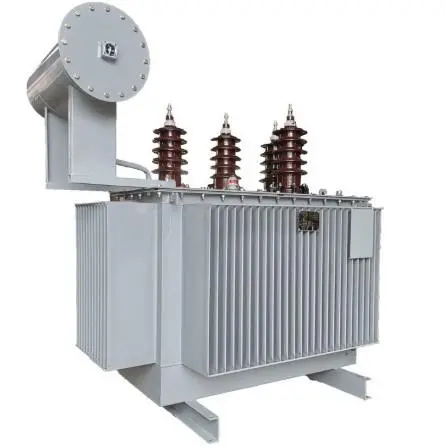
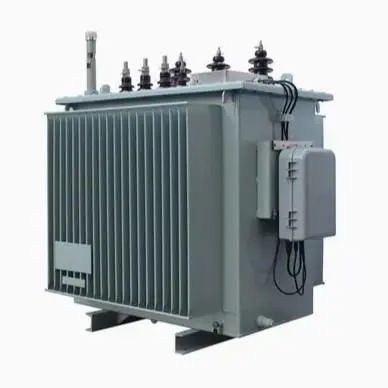
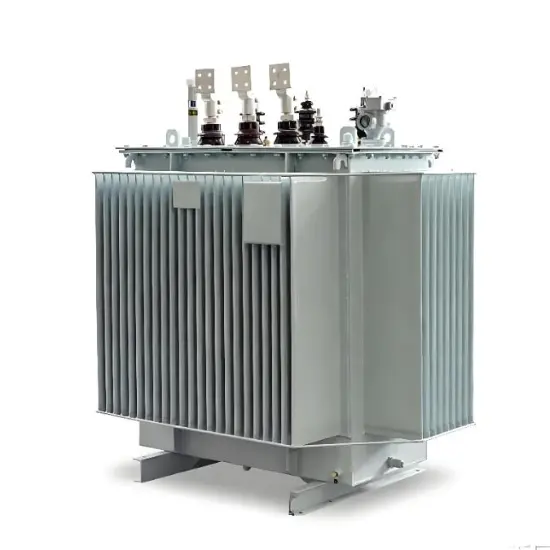
| Oil-Immersed Power Transformer | 5MVA ~ 100MVA | Mature technology, excellent heat dissipation, low cost, suitable for long-term outdoor operation | Regional substations, power plant booster stations, main nodes of transmission grids |
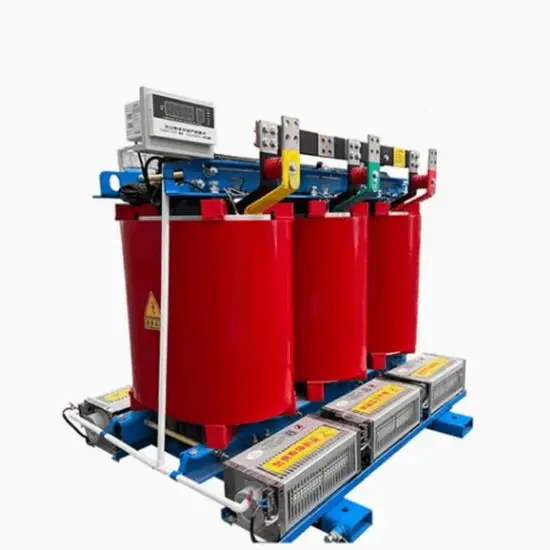
| Dry-Type Power Transformer | 1MVA ~ 10MVA | Oil-free and environmentally friendly, high fire rating (Class F/H), easy indoor installation | Urban underground substations, high-rise building distribution rooms, hospitals, data centers |
| Amorphous Alloy Oil-Immersed Transformer | 5MVA ~ 50MVA | No-load losses 60%~70% lower than traditional products, remarkable energy-saving effect | Government energy-saving renovation projects, green building certification projects, industrial parks with long-term light-load operation |
4.2 Key Technical Parameter Requirements
- Rated Frequency: 50Hz (compatible with short-term ±2% deviation)
- Insulation Class:
Oil-immersed type: Class A (oil-paper insulation)
Dry-type: Class F or H (epoxy resin casting)
- Protection Class:
Outdoor type: ≥IP65
Indoor type: ≥IP54
- Cooling Methods:
ONAN (Oil Natural Air Natural)
ONAF (Oil Natural Air Forced, optional)
AF (Air Forced for dry-type transformers)
4.3 Voltage Regulation and Noise Control
- Voltage Regulation Methods:
On-Load Tap Changer (OLTC): Suitable for hub substations with large load fluctuations.
Off-Circuit Tap Changer (OCTC): Used for terminal substations with stable loads.
- Noise Limits:
Dry-type transformers: ≤65dB (measured at 1m distance)
Oil-immersed transformers: ≤75dB (measured at 1m distance); special silent design can reduce noise to ≤65dB
5. Service and Supply Chain Support System
Intelligent Operation and Maintenance Support
- Built-in IoT sensors + edge computing gateways to achieve 24/7 remote monitoring.
- The cloud platform covers diagnosis of 95% of fault types, reducing on-site inspection workload by more than 70%.
Compliance and Certification Assurance
- Fully compliant with IEC 60076, IEEE C57, ANSI C57 series standards.
- Provide UL, CE, KEMA certification support to facilitate export and cross-border project bidding.