Customized power solutions for industries such as electric utilities, new energy, and industrial manufacturing.
Application of Full-Life-Cycle High-Efficiency, Low-Loss Grounding Transformers in High-Stress Renewable Energy Environments
— A Case Study of the “Solaris 150 MW” Photovoltaic Plant on Luzon Island, Philippines
1. Systemic Risks from Neglecting Full-Life-Cycle Management
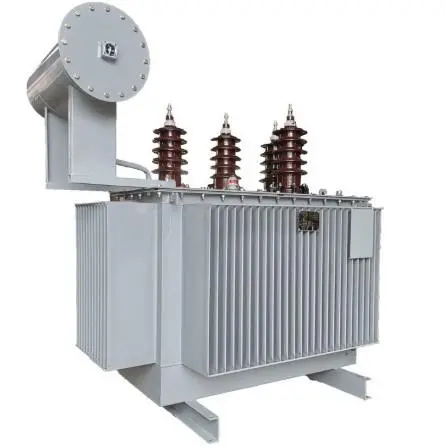
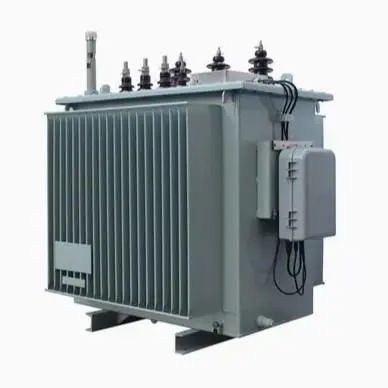
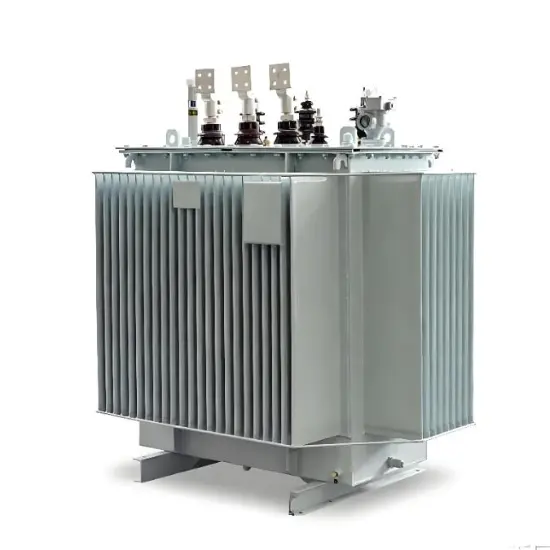
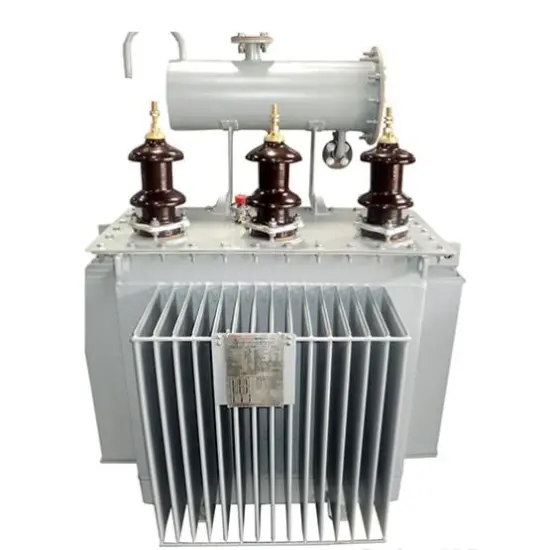
Amid Southeast Asia’s rapid energy transition, many solar projects prioritize module efficiency and grid-connection speed while overlooking full-life-cycle planning for critical auxiliary equipment like grounding transformers. In early Philippine utility-scale PV plants, low-cost oil-immersed grounding transformers—lacking climate-specific design for tropical maritime conditions—have led to multiple post-commissioning failures:
- Poor environmental resilience: With annual humidity exceeding 85% and high salinity along Luzon’s coastlines, conventional units suffer accelerated casing corrosion and insulation degradation; some experienced grounding failure within 18 months of operation.
- Inadequate safety protection: Un-grounded 35 kV systems allowed single-phase-to-ground faults to trigger overvoltages, repeatedly damaging inverter DC sides and even causing electrical fires.
- Delayed maintenance response: Limited local technical expertise forced reliance on overseas specialists, resulting in average repair times exceeding 20 hours—severely impacting PPA compliance and revenue.
- Non-compliance with green regulations: Oil-filled equipment failed to meet the Philippines Department of Energy’s (DOE) 2024 Environmental Standards for Renewable Energy Projects, leading to delayed grid interconnection or disqualification from green financing.
These issues not only inflate operational costs but also reveal a flawed engineering mindset—“prioritizing main equipment, neglecting supporting systems”—that undermines long-term project sustainability.
2. Full-Life-Cycle Management Drives Integrated Safety, Economic, and Environmental Gains
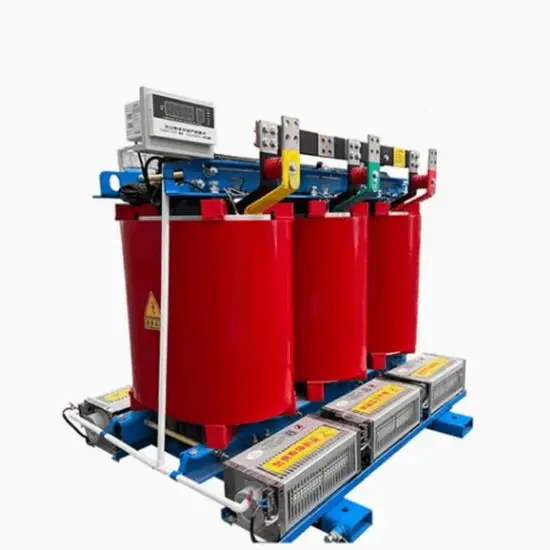
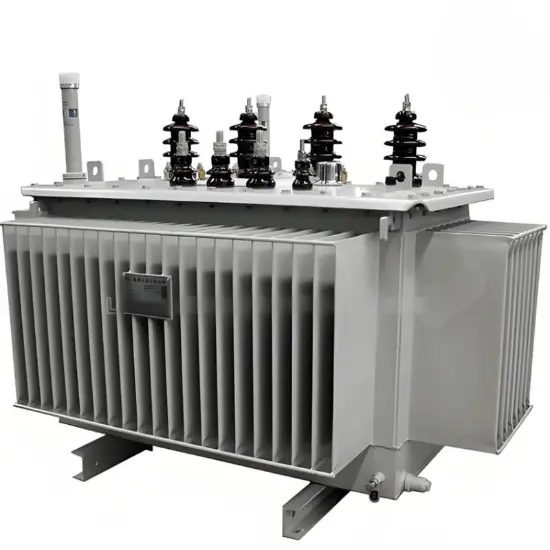
At the “Solaris 150 MW” PV plant in Pangasinan Province, northern Luzon—just 6 km from the coast and exposed to 1,900 kWh/m² annual irradiation—the project team implemented a full-life-cycle approach for grounding transformers, covering design, manufacturing, operation, and decommissioning. Two 400 kVA intelligent dry-type Zig-Zag grounding transformers were deployed with end-to-end precision management.
The table below highlights the core advantages of this full-life-cycle strategy versus traditional practices:
| Comparison Dimension | Conventional Oil-Immersed (No Life-Cycle Management) | Full-Life-Cycle Dry-Type Smart Solution (“Solaris” Implementation) |
|---|---|---|
| Environmental Resilience | Rust and oil leakage within 1–2 years | IP55 rating + 316L stainless steel + 2,000-hour salt spray test |
| Electrical Safety | Frequent overvoltages; ≥8 inverters damaged/year | Fault current limited to <20 A; overvoltage ≤1.3 p.u.; zero major incidents |
| Efficiency & Emissions | ~5,900 kWh annual no-load loss; untraceable carbon footprint | 1,780 kWh annual loss; 3.3 tCO₂e/year reduction; TÜV Green Certified |
| Maintenance Efficiency | Manual inspections; MTTR >20 hours | Fiber-optic temperature monitoring + 4G remote diagnostics; AI-driven early warnings; MTTR <2 hours |
| Lifespan & Recyclability | 15-year lifespan; oily waste hard to dispose | 30-year design life; 100% recyclable amorphous metal core; 85% resin recovery rate |
| Economics | Lower upfront cost but high LCC | 12% higher initial investment, 20% lower LCC, 1.8 pp IRR improvement |
3. Full-Life-Cycle Management: From Engineering Practice to Industry Paradigm Shift
The success of the Solaris project confirms a critical trend: in emerging markets characterized by high environmental stress, weak grids, and stringent regulations, the competitiveness of renewable infrastructure hinges not only on primary equipment performance but increasingly on the reliability and sustainability of auxiliary systems. Full-life-cycle management is evolving from a “cost center” into a “value engine,” with strategic impact across three dimensions:
- Technologically, it transforms grounding transformers from passive protective components into intelligent safety nodes integrated with sensing, communication, and adaptive control capabilities.
- Economically, it enhances financial resilience by lowering LCC, improving availability, and accelerating green finance approvals.
- Ecologically, it enables precise carbon accounting and circular-economy practices, aligning with both global ESG investment criteria and local environmental regulations.
Looking ahead, as digital twin technology, advanced materials, and localized manufacturing converge, full-life-cycle solutions will become increasingly standardized, modular, and regionally customizable. Whether for island solar farms in the Philippines, volcanic-zone plants in Indonesia, or agrivoltaic sites in Thailand, the same technical foundation can be rapidly adapted—delivering safe, efficient, and sustainable power wherever it’s needed most.
Recent Solutions