Adaptive Medium-Voltage Power Transformer Solutions for Diverse Grid Environments in Southeast Asia, Africa, and the Middle East
1.Introduction
Power systems across Southeast Asia, Africa, and the Middle East exhibit significant diversity and complexity, including multiple voltage standards, inconsistent grounding practices, and challenging power quality conditions. To meet these challenges, medium-voltage (MV) power transformers (typically 10–35 kV) provide essential voltage conversion, electrical isolation, and power quality enhancement. Leveraging advantages in dynamic voltage regulation, harmonic mitigation, fault isolation, and high-efficiency operation, this solution systematically addresses regional grid complexities through three pillars: grid characteristic analysis, design principles, and installation & maintenance strategies.
2.Analysis of Regional Power Grid Characteristics
The regional grids are heterogeneous and complex, posing specific demands for power equipment:
2.1 Voltage Level Variations
- Vietnam: Industrial MV feeders mainly 22 kV, with some legacy 10 kV networks still in service.
- Nigeria: 33 kV bulk supply with 11 kV distribution; rural areas still use 6.6 kV.
- Saudi Arabia: Standardized 34.5 kV transmission, 13.8 kV industrial distribution.
- Indonesia: Mixed 20 kV and 10 kV in Java; remote islands rely on isolated MV microgrids.
2.2 Grounding System Inconsistencies
- Vietnam: Predominantly solidly grounded MV networks; sensitive loads affected by high earth-fault currents.
- Nigeria: Unearthed (IT) MV systems in mining zones cause protection coordination issues.
- Saudi Arabia: Resonant grounding via Petersen coil in urban MV grids; desert regions use direct grounding.
- Indonesia: Combination of TT and TN-C-S systems leads to relay misoperation in mixed networks.
2.3 Power Quality Issues
- Harmonic Pollution: Nigerian cement plants with VFD drives show THD ≥ 12%, accelerating transformer aging.
- Voltage Swells/Sags: Frequent in coastal Vietnam during monsoon-related faults; surges > 2,500 V recorded.
- Frequency Instability: Islanded microgrids in Indonesia experience ±1 Hz deviations, requiring robust voltage hold-up.
3. Design Principles and Advantages of MV Power Transformers
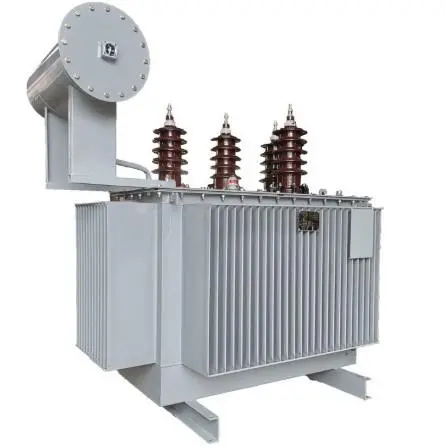
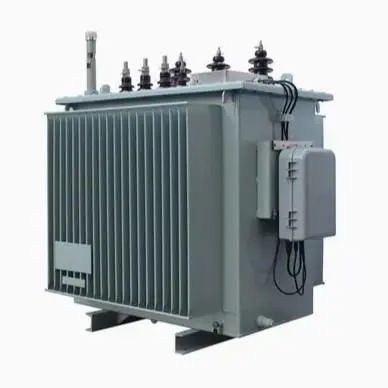
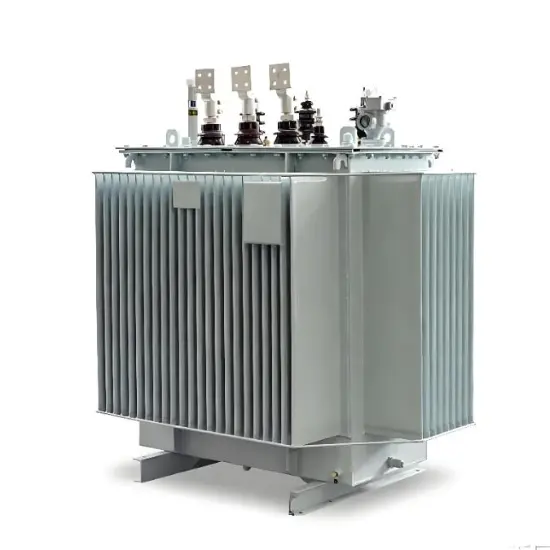
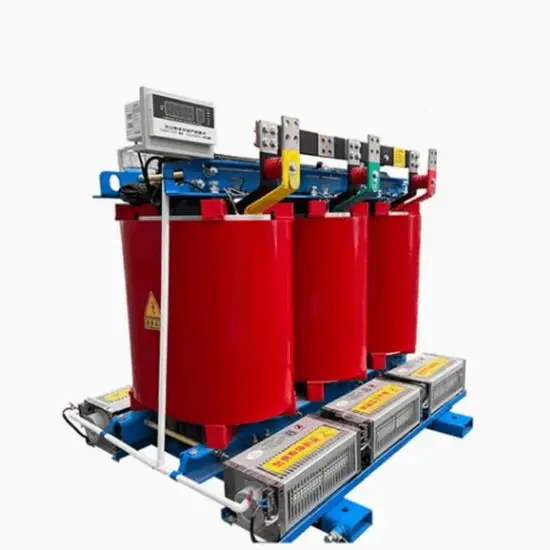
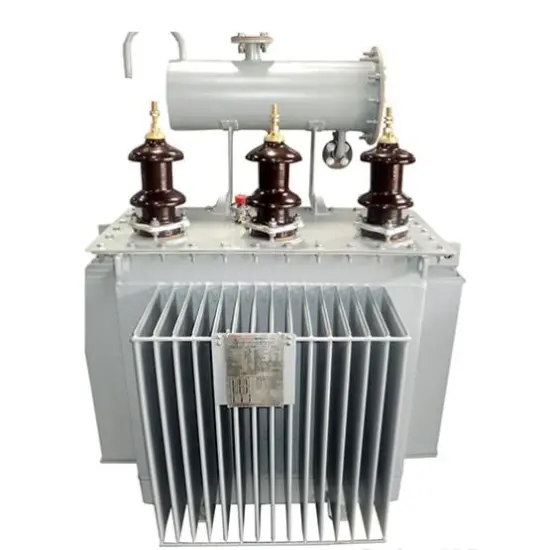
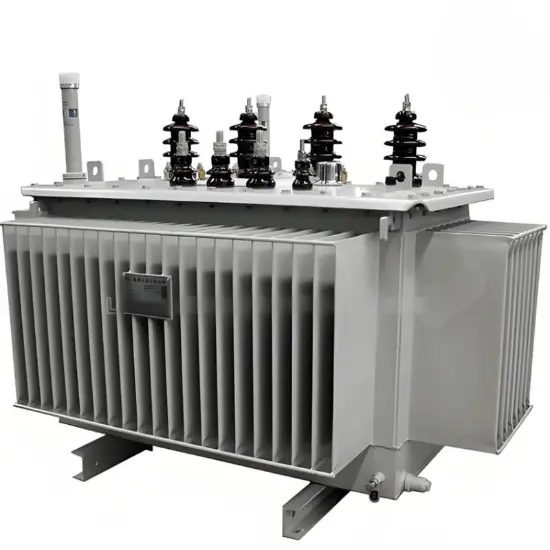
MV transformers utilize high-permeability CRGO cores and VPI/epoxy cast windings, ensuring temperature rise within oil-immersed ≤ 65 K and dry-type ≤ 80 K under high load/harmonic conditions. Short-circuit withstand reaches 31.5 kA/2 s; optional ±10% OLTC handles voltage fluctuations.
3.1 Customized Parameters for Target Regions
|
Parameter |
Design Value |
Adaptation Analysis |
|
Rated Capacity |
2 MVA |
Supports industrial clusters + 20% overload margin |
|
Primary Voltage |
11 kV / 22 kV / 33 kV (multi-tap) |
Matches Vietnam, Nigeria, Saudi grids |
|
Secondary Voltage |
400 V ±1% |
Aligns with local LV utilization |
|
Impedance |
5%–7% |
Limits fault current while maintaining voltage stability |
|
Insulation Class |
Class H (180 °C) |
Withstands high ambient temperatures |
|
Protection Class |
IP55 (dust-tight, water-jet resistant) |
Suits tropical/mine/dead-sea climate |
|
Harmonic Suppression |
Special winding + 3rd–7th passive filters |
Reduces THD from 12% to <5% |
3.2 Innovative Design Features
- Dynamic Voltage Regulation: OLTC + low-impedance design keeps bus voltage within ±3%; critical for data centers in Jakarta.
- Harmonic Attenuation: Double-layer magnetic shielding cuts 3rd, 5th, 7th harmonics; case study in Nigerian cement plant: THD dropped to 4.8%, motor failures reduced 55%.
- Renewable-Friendly: Compatible with inverter-dominated weak grids; prevents voltage collapse in Indonesian solar microgrids.
- High Efficiency: IE4 class; 2 MVA unit saves ~15,000 kWh/year vs. IE2.
- Fast Fault Isolation: Millisecond-level detection with smart relays reduces outage zone by 70%.
- Extended Lifespan: Bio-based ester oil + aramid paper extends service life to 25+ years, ideal for saline coastal areas.
4.Installation and Maintenance Strategies
4.1 Regional Installation Protocols
- Vietnam: IP56 enclosure + tropical cooling fans; lightning arresters mandatory.
- Nigeria: Compliance with NEMA MG-1 clearance rules; earthing resistance ≤ 1 Ω; rodent protection.
- Saudi Arabia: Sand-filter air intakes; forced-air cooling for 50 °C ambient.
- Indonesia: Anti-corrosion coating for marine locations; seismic mounting for earthquake zones.
4.2 Maintenance Cycles
- Quarterly: IR testing (≥ 500 MΩ), cooler cleaning, vibration check (≤ 2.8 mm/s).
- Biannual: THD & waveform analysis, winding deformation diagnostics.
- Annual: National certifications (e.g., Nigeria’s ISO 18001, Saudi SASO, Vietnam’s TCVN).
4.3 Fault Response
- Vietnam: Lightning strike → oil BDV test (>50 kV); replace surge modules.
- Nigeria: Overload/harmonic overheating → de-rate load 20%, recalibrate filters.
- Saudi Arabia: Sand ingress → clean radiators, inspect gaskets.
- Indonesia: Salt corrosion → apply anti-corrosion treatment, verify seal integrity.
Summary
This solution addresses the real-world challenges of diverse voltage levels, inconsistent grounding systems, and complex power quality in the power grids of Southeast Asia, Africa, and the Middle East, presenting an adaptive solution for medium-voltage power transformers (10–35 kV). Through in-depth analysis of regional grid characteristics and incorporating design advantages such as high-permeability CRGO cores, VPI/epoxy cast windings, low impedance and dynamic voltage regulation, and intelligent protection, it achieves voltage stability, harmonic suppression, renewable-energy friendliness, high efficiency, energy conservation, and long-life operation.
In its innovative design, special winding arrangements and passive filtering reduce THD from 12% to below 5%; millisecond-level fault isolation can shrink the outage-affected area by 70%; and the use of bio-based ester insulating oil with aramid paper extends service life to more than 25 years, making it particularly suited to harsh environments with high temperature, high humidity, salt spray, and dust. Together with region-specific installation protocols, regular maintenance, and rapid fault response mechanisms, the solution significantly enhances equipment reliability and economic performance.
Practice has shown that this solution can effectively mitigate power quality issues for industrial users, reduce unplanned outages and operating costs, and provide solid support for renewable energy integration and stable operation of microgrids. In the future, with the deeper integration of intelligent sensing and digital twin technologies, medium-voltage power transformers will further evolve into core nodes of smart distribution networks, helping the region achieve its energy transition and sustainable development goals.