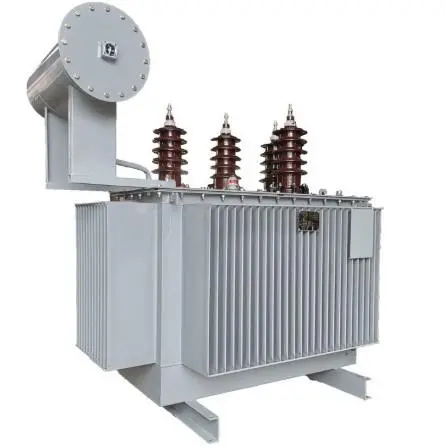
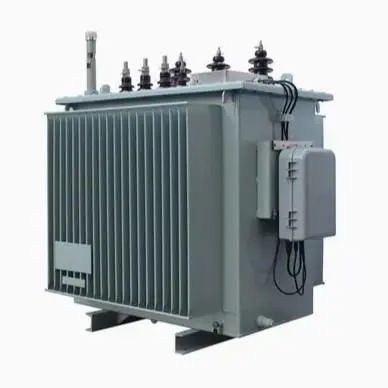
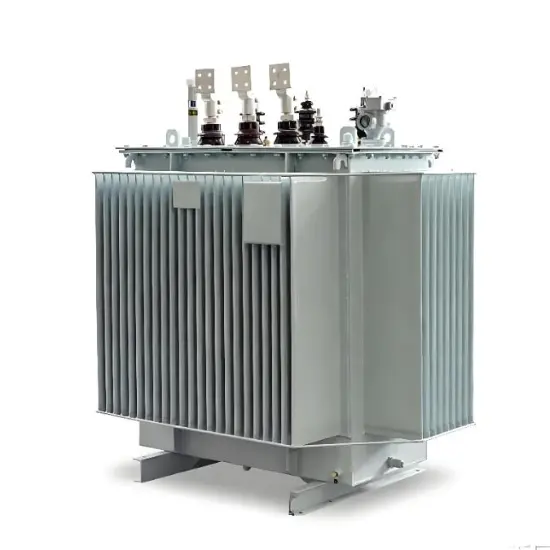
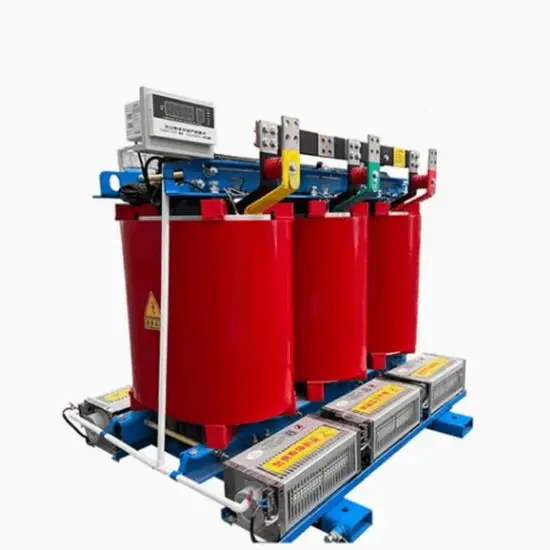
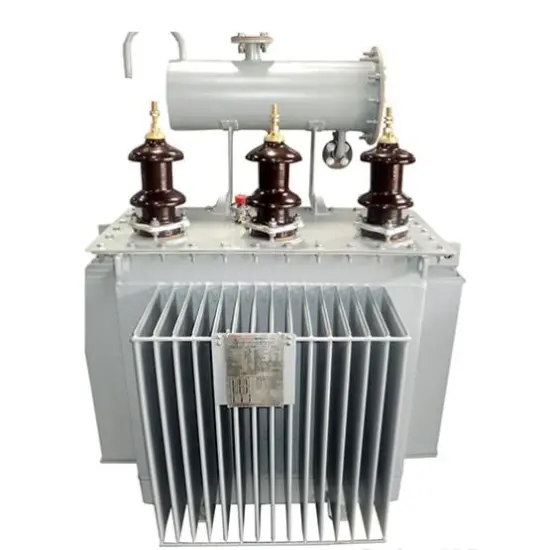
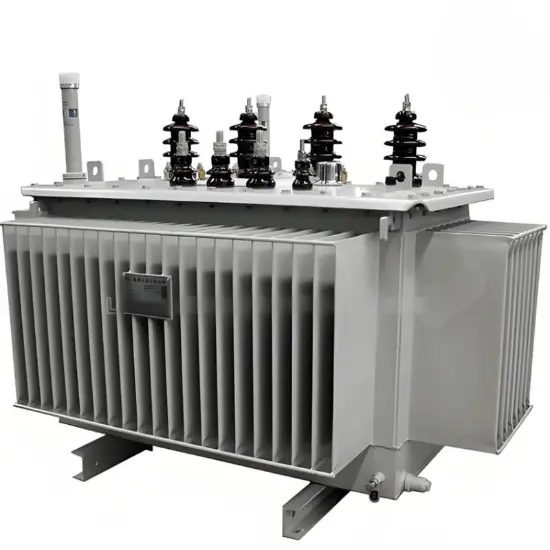
Customized power solutions for industries such as electric utilities, new energy, and industrial manufacturing.
330 kV–500 kV Extra-High-Voltage Power Transformer: Customized Solutions for Southeast Asian Grid Environments
1.Core Challenges in the Southeast Asian EHV Power Environment
1.1 Diverse Voltage Standards and System Configurations
- National transmission voltages vary significantly across Southeast Asia: Thailand and Vietnam primarily use 230/500 kV systems; Indonesia and the Philippines commonly deploy 150/500 kV or 275/500 kV; some countries (e.g., Laos) still operate non-standard interconnection voltages such as 330 kV.
- Neutral grounding methods differ (solidly grounded, low-reactance grounded, etc.), requiring transformers with flexible winding configurations (e.g., YNa0d11) and adaptable zero-sequence impedance.
1.2 Harsh Climate and Weak Grid Infrastructure
- Extreme environmental conditions—annual average temperatures >30°C, humidity >85%, and severe salt spray in coastal/island regions—accelerate insulation aging.
- Grid instability is common, with frequent voltage fluctuations (±10%) and prolonged fault clearance times, demanding transformers with high short-circuit withstand capability (>50 kA/2s) and robust dynamic voltage support.
1.3 Energy Efficiency Regulations and Lifecycle Cost Pressure
- Countries like Singapore and Thailand have mandated IE3/IE4 efficiency standards, requiring 500 kV-class transformers to reduce no-load losses by over 30% compared to conventional units.
- Limited O&M resources necessitate “low-maintenance, core-access-free, remotely diagnosable” intelligent designs to minimize total lifecycle cost (LCC).
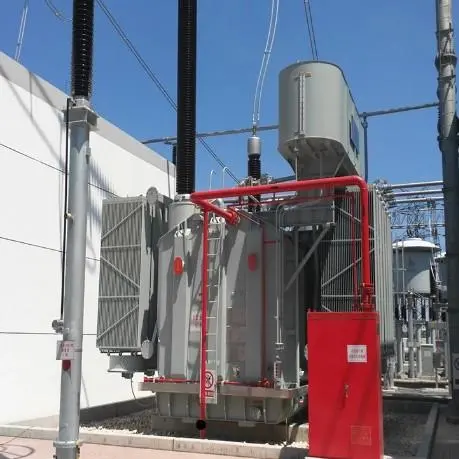
2. Technical Solutions for EHV Transformer
2.1 Customized Voltage and Topology Adaptation
- Multi-voltage platform compatibility: Supports multiple ratios including 500/230 kV, 500/150 kV, and 330/220 kV via modular winding design for rapid country-specific deployment.
- Autotransformer + tertiary winding: Provides stable 35 kV or 10 kV auxiliary power while forming a zero-sequence path to suppress harmonics and enhance system stability.
- Flexible tap-changing options:
- Off-circuit tap changer (OCTC) for stable-load areas;
- On-load tap changer (OLTC) with ±8×1.25% range for renewable-integration scenarios.
2.2 Enhanced Materials and Structural Design
| Component | Technical Solution | Key Benefit |
|---|---|---|
| Core | High-permeability B10 grain-oriented silicon steel or amorphous alloy (pilot) | 30–40% lower no-load loss; meets IE4 efficiency |
| Tank & Enclosure | Q345R weather-resistant steel + heavy-duty C5-M anti-corrosion coating | Salt spray resistance >2000 hrs (IEC 60068-2-52 compliant) |
| Sealing System | Fully welded tank + corrugated conservator + pressure relief valve | Moisture/dust-proof; operates reliably at >95% humidity |
2.3 Intelligent Protection and Condition Monitoring
- Integrated IED (Intelligent Electronic Device): Real-time monitoring of winding hotspot temperature (fiber-optic DTS), partial discharge (UHF), and dissolved gas analysis (DGA), supporting IEC 61850 communication.
- Multi-layer protection:
- HV side: SF₆ circuit breaker + digital differential protection (<20 ms trip time);
- Main unit: Buchholz relay + sudden pressure relay + CSP protection kit;
- Short-circuit withstand: ≥63 kA / 2 seconds (per IEC 60076-5).
3. Environmental Adaptability Design
3.1 Thermal Management Optimization
- ODAF cooling (Forced Oil Directed Air Cooling): Enables full-rated operation at ambient temperatures up to 50°C without derating.
- Smart thermal control: Automatically activates/deactivates fans and oil pumps based on load, reducing auxiliary power consumption by >15%.
3.2 Seismic Resistance and Ingress Protection
- Certified to IEC 60068-3-3 seismic standards (horizontal acceleration 0.3g)—critical for earthquake-prone regions like Indonesia and the Philippines.
- Overall IP54 rating for outdoor installations; critical terminal boxes rated IP66 to withstand tropical downpours and dust.
4. Application Scenarios and Selection Guidelines
4.1 EHV Transformer Types and Recommended Applications
| Type | Rated Capacity | Key Features | Recommended Applications |
|---|---|---|---|
| 500 kV Autotransformer | 750–1500 MVA | High efficiency, low impedance, material-saving | National backbone grids, cross-border interconnections |
| 330 kV Three-Winding Transformer | 300–600 MVA | Flexible power supply, strong harmonic suppression | Regional grid hubs, large industrial zones |
| Compact HGIS-Integrated Transformer | 500–1000 MVA | 40% smaller footprint, rapid installation | Islands, mountainous areas, urban fringe substations |
4.2 Key Technical Specifications
- Electrical: Frequency 50 Hz; Insulation Level (LI/SI): 1550/680 kV (for 500 kV class)
- Cooling: ODAF (standard); ODWF (water-forced, for water-scarce islands)
- Acoustic Noise: ≤75 dB(A) @ 1 m (compliant with suburban environmental regulations)
4.3 Voltage Regulation and Power Quality
- Coordinates with STATCOM/SVC for dynamic reactive compensation, maintaining PCC voltage fluctuation within ±3%.
- Built-in broadband damping windings effectively suppress subsynchronous oscillation (SSO), ensuring stable renewable energy export from PV/wind farms.
5. Localized Service and Supply Chain Support
- Localized Delivery: Pre-commissioning centers established in Thailand and Indonesia enable “core components manufactured in China + local final assembly & testing,” reducing lead time to 10–14 months.
- Smart O&M:
- IoT-based remote diagnostics platform covers >90% of typical faults (e.g., overheating, moisture ingress, discharges);
- Digital twin models support remaining-life prediction and optimized maintenance scheduling.
- Global Compliance: Fully compliant with IEC 60076 series and IEEE C57.12.00; supports local certifications including UL, SNI (Indonesia), and PSB (Singapore).
Recent Solutions